
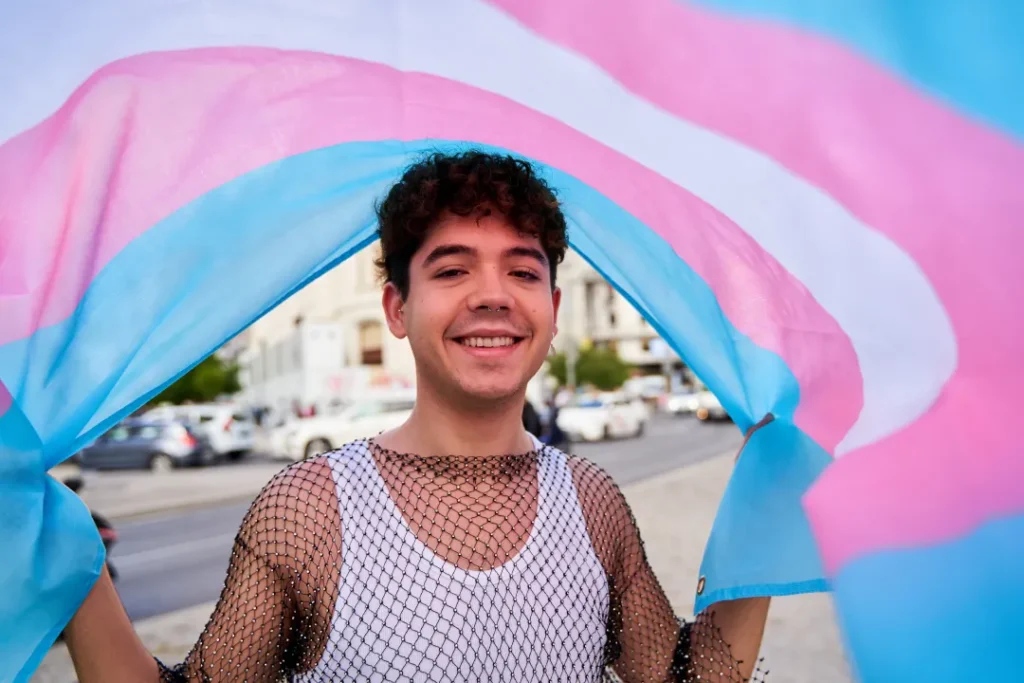
Understanding the relationship between sexual orientation, gender identity, and emotional well-being is an incredibly important conversation in today’s society. Simply identifying as lesbian, gay, bisexual, transgender, queer, intersex, or asexual does not inherently cause a person to develop a mental illness. However, the societal stigma, discrimination, and daily stress that marginalized groups face can significantly and negatively impact their overall health outcomes. When exploring how a person’s identity affects their psychological state, it is essential to look at the environment around them rather than just the individual.
The LGBTQIA+ community experiences unique mental health conditions directly tied to how they are treated by the world. Navigating a society that historically prioritizes heterosexual people and cisgender norms creates a state of chronic, underlying stress. This constant burden—often referred to as minority stress—is the primary driver behind the higher rates of psychological distress seen within the LGBTQ+ population compared to the heterosexual demographic. By understanding these unique pressures, society can better support those navigating these unseen struggles.
Understanding Health Disparities and Risk Factors
The severe health disparities faced by LGBTQIA+ people are a growing public health concern that cannot be ignored. Persistent homophobia, transphobia, and the very real threat of hate crimes or victimization serve as major risk factors that degrade emotional stability over time. The fear of facing discrimination can make everyday activities—like walking down the street, holding a partner’s hand, or going to work—feel unsafe, leading to chronic hypervigilance.
Organizations like the National Alliance on Mental Illness note that these external societal pressures heavily influence the psychological state of minority groups. When people face systemic barriers, lack of legal protections, or general hostility, their baseline stress levels remain elevated. Over time, this constant pressure frequently develops into severe mental health issues that require professional intervention and deeply compassionate care.
The Impact on LGBTQIA+ Youth and Adolescents
For LGBTQIA+ youth and adolescents, the journey of self-discovery is often fraught with intense anxiety. The process of coming out can be terrifying, especially if a young person anticipates family rejection. A lack of acceptance at home is devastating and serves as a major catalyst for emotional distress among young people, often stripping away their primary safety net when they need it most.
Furthermore, environments like schools or online spaces on social media can be highly hostile and unforgiving. According to organizations dedicated to crisis intervention, such as The Trevor Project, supportive and affirming environments are literally life-saving for this vulnerable group. Without validation and love, youth are at a higher risk of developing debilitating mental health concerns that can carry over into their adult lives, significantly altering their long-term trajectory.
Transgender and Nonbinary Experiences
Transgender individuals and nonbinary people face specific, compounded challenges that are often misunderstood by the general public. Living with gender dysphoria—the profound distress that occurs when one’s assigned sex at birth does not align with their true identity—can be deeply painful. Accessing gender-affirming health care is a proven way to alleviate this distress, yet many face significant barriers, gatekeeping, and political hurdles when seeking these vital mental health services.
Transgender adults and transgender people of all ages frequently encounter discrimination in employment, housing, and general medical settings. This constant invalidation drastically impacts LGBTQIA+ mental health, highlighting the urgent need for society to foster inclusive spaces where all identities are respected. When an individual is forced to constantly defend their right to exist authentically, the psychological toll is immense.
Common Mental Health Conditions in the Community
Due to these compounding societal stressors, individuals within the community often seek mental health support to manage a variety of deeply painful psychological struggles. Coping with constant prejudice can lead to a reliance on unhealthy coping mechanisms or the rapid exacerbation of underlying emotional conditions.
Some of the most prevalent mental health challenges experienced include:
- Anxiety disorders fueled by hypervigilance and the constant fear of discrimination.
- Severe depressive episodes accompanied by profound feelings of isolation.
- Higher incidences of substance abuse and substance use as a way to self-medicate emotional pain.
- Increased vulnerability to self-harm and deeply concerning suicidal thoughts.
- Elevated rates of suicide attempts; tragically, many lgbtq individuals attempt suicide when they feel entirely unsupported or trapped.
- Heightened risk of eating disorders, often driven by body image distress, gender dysphoria, and the psychological weight of navigating identity in an unsupportive environment
The Role of Healthcare Providers and Peer Support
Access to safe, affirming mental health care and general medicine is critical for survival and recovery. Unfortunately, many individuals delay seeking treatment due to past negative experiences with biased or uneducated providers. It is essential for healthcare providers in all fields, particularly in psychiatry, to undergo specialized training to truly understand the specific needs, terms, and traumas of this demographic so they do not accidentally cause further harm.
Beyond clinical intervention, peer support and community advocacy are powerful tools for healing and resilience. Connecting with others who share similar lived experiences can break the devastating cycle of isolation. Furthermore, having reliable access to a dedicated crisis lifeline can provide immediate, life-saving intervention during moments of severe despair, proving that no one has to suffer in silence.
We Conquer Together: Affirming Care in Orange County
At We Conquer Together, we recognize that true healing must address the whole person, including their unique identity, background, and personal experiences. Our premierresidential treatment facility in Orange County offers a safe, structured, and deeply supportive environment for individuals seeking comprehensive care. We are firmly committed to providing dedicated LGBTQIA+ Affirming Treatment for those navigating complex psychological challenges, mood disorders, and co-occurring eating disorders.
Our compassionate team understands the nuanced stressors faced by marginalized communities and works diligently to create a space free of judgment. We provide highly individualized treatment plans designed to foster resilience, rebuild self-worth, and promote long-term recovery. If you or a loved one is searching for an inclusive, supportive space to heal and grow, reach out to our admissions team today to learn how our specialized programs can help you build a brighter, healthier future.