


Autism presents differently in every individual—and when it overlaps with other co-occurring conditions, mental health treatment must be handled with precision and care. At We Conquer Together, we understand that autism often exists alongside depression, anxiety, ADHD, OCD, or trauma-related conditions. These overlapping experiences can complicate diagnosis and make traditional mental health programs feel incomplete or overwhelming.
That’s why we proudly state: We Treat Autism as a Co-Occurring Diagnosis.
Our treatment center in Yorba Linda focuses on individuals with Level 1 support needs (requiring support) who may excel academically or socially mask well, yet still struggle internally with emotional regulation, executive dysfunction, and relationship challenges. In our supportive, inpatient environment, clients can stabilize their symptoms, strengthen coping skills, and begin healing with the guidance of a compassionate, multidisciplinary team.
To learn more about Level 1 autism in adults, explore our in-depth blog for insights on symptoms, diagnosis, and support options.
Inpatient care at We Conquer Together offers a safe, structured environment designed for individuals on the autism spectrum who require lower support needs. Clients live in an upscale, peaceful residential home in Yorba Linda, supported 24/7 by compassionate clinicians and residential staff.
Each day blends therapeutic work with rest, community, and mindful structure—helping clients rebuild consistency and confidence.
A Typical Day Includes:
This structured model promotes predictability and emotional safety—both vital for neurodivergent individuals adjusting to change and treatment routines.
Our inpatient program in Yorba Linda, California serves adolescents and adults with high-functioning autism and co-occurring mental health conditions who need intensive, round-the-clock mental health support.
We treat individuals experiencing:
While our program supports clients capable of participating in therapy, structured routines, and group interaction, it’s not designed for individuals needing 24-hour behavioral assistance or long-term residential care. Instead, we provide a balanced environment that combines stability, understanding, and evidence-based support for those seeking emotional and behavioral progress.

Many individuals with autism also experience eating disorders, particularly ARFID, anorexia nervosa, and bulimia nervosa. Sensory sensitivities, rigidity around food textures, or anxiety surrounding mealtimes can make traditional eating disorder treatment overwhelming—or even counterproductive.
Our clinical team at We Conquer Together includes dietitians and therapists specializing in neurodivergent eating behaviors, ensuring treatment respects both the sensory and emotional experiences of autism.
Our Approach Includes:
This integrated care model acknowledges the unique link between autism and disordered eating—addressing not only the nutritional aspect but also the emotional and sensory foundations beneath it.
At We Conquer Together, we understand that individuals with autism often process emotions, sensory input, and relationships differently—and that healing requires more than traditional talk therapy. That’s why we integrate a wide range of experiential, sensory-informed, and evidence-based modalities designed to help neurodivergent clients build awareness, regulate their nervous systems, and develop practical tools for emotional balance and daily life.
These therapies are thoughtfully adapted to meet the needs of autistic adults and adolescents with co-occurring mental health conditions such as anxiety, OCD, ADHD, or depression.
Each of these therapies supports the core goals of inpatient care: self-regulation, self-awareness, and sustainable emotional growth. By combining structure with compassion, We Conquer Together helps neurodivergent individuals not just manage symptoms—but thrive in their recovery journey.

Getting help can feel hard, but you’re not alone. Our team can check your insurance for free, and many plans cover all treatment costs.


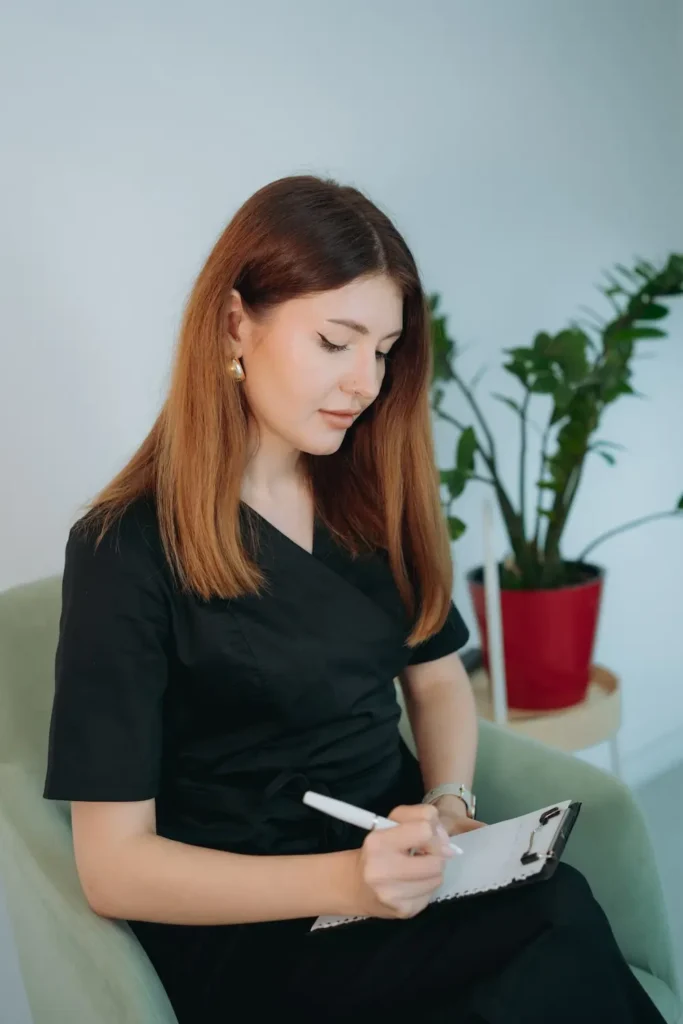
No two clients are the same. At We Conquer Together, each treatment plan is customized to match an individual’s neurotype, co-occurring diagnosis, and goals. Our clinicians emphasize collaboration, ensuring every intervention aligns with the client’s values and strengths.
Your care plan may include:
Families often come to us after exhausting traditional options that failed to recognize their loved one’s unique needs. At We Conquer Together, we provide neuroaffirming, emotionally intelligent care that validates your loved one’s experience and addresses the overlapping challenges of autism and mental illness.
We don’t see clients as “problems to fix,” but as people learning to understand themselves—worthy of stability, connection, and growth.
If your loved one is navigating autism and co-occurring mental health challenges, you don’t have to face it alone. Our inpatient program in Yorba Linda, California, offers specialized, evidence-based care for high-functioning autistic individuals ready to find balance and clarity.
Call today to speak with our admissions team or submit a referral. Together, we’ll create a plan that supports long-term stability, well-being, and confidence—because healing is always possible when we conquer together.
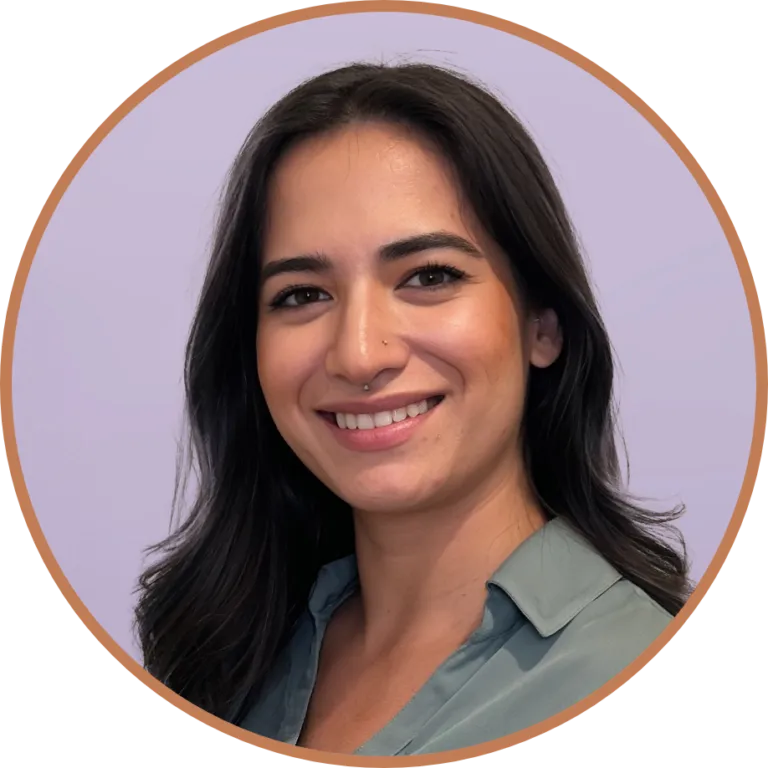
Sasha Antoun holds over six years of experience in the behavioral health treatment landscape. With a comprehensive background spanning various facets of the field, she brings a wealth of expertise to our team, offering a great understanding of every available level of care.
As an internationally certified counselor, Sasha’s professional areas of focus primarily center around admissions work and community outreach. Her passion lies in creating a sense of safety and trust for those in distress.
Medically reviewed by Dr. Kelly Gonderman, Psy.D., Licensed Clinical Psychologist
We Conquer Together
We firmly believe that the internet should be available and accessible to anyone, and are committed to providing a website that is accessible to the widest possible audience, regardless of circumstance and ability.
To fulfill this, we aim to adhere as strictly as possible to the World Wide Web Consortium’s (W3C) Web Content Accessibility Guidelines 2.1 (WCAG 2.1) at the AA level. These guidelines explain how to make web content accessible to people with a wide array of disabilities. Complying with those guidelines helps us ensure that the website is accessible to all people: blind people, people with motor impairments, visual impairment, cognitive disabilities, and more.
This website utilizes various technologies that are meant to make it as accessible as possible at all times. We utilize an accessibility interface that allows persons with specific disabilities to adjust the website’s UI (user interface) and design it to their personal needs.
Additionally, the website utilizes an AI-based application that runs in the background and optimizes its accessibility level constantly. This application remediates the website’s HTML, adapts Its functionality and behavior for screen-readers used by the blind users, and for keyboard functions used by individuals with motor impairments.
If you’ve found a malfunction or have ideas for improvement, we’ll be happy to hear from you. You can reach out to the website’s operators by using the following email
Our website implements the ARIA attributes (Accessible Rich Internet Applications) technique, alongside various different behavioral changes, to ensure blind users visiting with screen-readers are able to read, comprehend, and enjoy the website’s functions. As soon as a user with a screen-reader enters your site, they immediately receive a prompt to enter the Screen-Reader Profile so they can browse and operate your site effectively. Here’s how our website covers some of the most important screen-reader requirements, alongside console screenshots of code examples:
Screen-reader optimization: we run a background process that learns the website’s components from top to bottom, to ensure ongoing compliance even when updating the website. In this process, we provide screen-readers with meaningful data using the ARIA set of attributes. For example, we provide accurate form labels; descriptions for actionable icons (social media icons, search icons, cart icons, etc.); validation guidance for form inputs; element roles such as buttons, menus, modal dialogues (popups), and others. Additionally, the background process scans all the website’s images and provides an accurate and meaningful image-object-recognition-based description as an ALT (alternate text) tag for images that are not described. It will also extract texts that are embedded within the image, using an OCR (optical character recognition) technology. To turn on screen-reader adjustments at any time, users need only to press the Alt+1 keyboard combination. Screen-reader users also get automatic announcements to turn the Screen-reader mode on as soon as they enter the website.
These adjustments are compatible with all popular screen readers, including JAWS and NVDA.
Keyboard navigation optimization: The background process also adjusts the website’s HTML, and adds various behaviors using JavaScript code to make the website operable by the keyboard. This includes the ability to navigate the website using the Tab and Shift+Tab keys, operate dropdowns with the arrow keys, close them with Esc, trigger buttons and links using the Enter key, navigate between radio and checkbox elements using the arrow keys, and fill them in with the Spacebar or Enter key.Additionally, keyboard users will find quick-navigation and content-skip menus, available at any time by clicking Alt+1, or as the first elements of the site while navigating with the keyboard. The background process also handles triggered popups by moving the keyboard focus towards them as soon as they appear, and not allow the focus drift outside it.
Users can also use shortcuts such as “M” (menus), “H” (headings), “F” (forms), “B” (buttons), and “G” (graphics) to jump to specific elements.
We aim to support the widest array of browsers and assistive technologies as possible, so our users can choose the best fitting tools for them, with as few limitations as possible. Therefore, we have worked very hard to be able to support all major systems that comprise over 95% of the user market share including Google Chrome, Mozilla Firefox, Apple Safari, Opera and Microsoft Edge, JAWS and NVDA (screen readers).
Despite our very best efforts to allow anybody to adjust the website to their needs. There may still be pages or sections that are not fully accessible, are in the process of becoming accessible, or are lacking an adequate technological solution to make them accessible. Still, we are continually improving our accessibility, adding, updating and improving its options and features, and developing and adopting new technologies. All this is meant to reach the optimal level of accessibility, following technological advancements. For any assistance, please reach out to