
Do you dread going to sleep because you know the darkness will bring flashbacks of your past? Waking up gasping for air, drenched in sweat, makes it feel like your mind is trapped in a loop of fear. At We Conquer Together, we know how post-traumatic stress disorder (PTSD) can hijack your rest, and we are here to support your journey toward healing.
How Does a Traumatic Event Affect Your Sleep?
When you experience a traumatic event, your brain struggles to process the memories correctly. This disruption can have a lasting impact on your mental health and emotional well-being. A part of the brain called the hippocampus, which is responsible for turning short-term memories into long-term ones, can become overwhelmed by trauma. This prevents the brain from properly filing the memory away, causing it to resurface during your rest as bad dreams and intrusive thoughts.
Living with a chronic mental health condition like post-traumatic stress disorder keeps your nervous system in a constant state of hyperarousal. This state of constant alert makes it difficult for your body to transition into deep phases of sleep. Instead of finding recovery, you remain in a light sleep phase where you are easily startled by minor sounds or internal triggers. Addressing these sleep disturbances is a key step in helping your nervous system return to a baseline of calm.
Why Do PTSD Nightmares and Sleep Disturbances Keep Occurring?
Recurring nightmares are one of the most common symptoms experienced by individuals with a trauma history. While standard dreams help you process daily emotions, PTSD nightmares replay the terror of your past with vivid clarity. These episodes are not just typical bad dreams – they are active re-creations of the event that cause physical reactions like a racing heart and sweating. You might also experience night terrors, which occur during deep sleep and leave you feeling confused without any memory of the dream.
This constant cycle of waking up in fear leads to a deep avoidance of sleep altogether. You might find yourself staying up late or using substances to delay going to bed because you fear what happens when you close your eyes. Over time, this avoidance causes sleep deprivation, which worsens your daytime symptoms like anxiety and flashbacks. Breaking this cycle is necessary to allow your mind the rest it needs to engage in the process of healing.
Coping Strategies for Managing Emotional Distress at Night
Developing healthy sleep hygiene can help signal to your brain that it is safe to transition into rest. Consistent daily habits reduce the level of emotional distress and stress in your body before you enter the sleep cycle. Our support team recommends building a routine that supports your nervous system and helps you find comfort.
These daily practices and coping strategies include:
- Bedtime Routine: A predictable sequence of calming activities like reading or listening to quiet music to prepare your mind for rest.
- Caffeine: A substance that should be avoided in the afternoon and evening to prevent overstimulating your nervous system.
- Relaxation Techniques: Methods such as progressive muscle relaxation or mindfulness meditation to release physical tension.
- Yoga: A practice of gentle movement and breathing to help lower your heart rate and ground your body.
- Support Groups: A community where you can share your struggles with others who understand the impact of trauma.
Evidence-Based Treatments for Sleep Disturbance
While daily habits are beneficial, many individuals require clinical interventions to address chronic sleep issues. Clinicians use specialized therapies, such as CBT-I, to target the thoughts and patterns that drive your nightmares. These evidence-based approaches help retrain the brain to respond differently to memories during sleep.
Our therapies and medical treatments include:
- Cognitive Behavioral Therapy for Insomnia: A structured program that helps you identify and replace thoughts that prevent you from falling asleep.
- Imagery Rehearsal Therapy: A cognitive intervention where you write down your nightmare and rescript the narrative to have a safe ending.
- Prazosin: A medication that blocks the brain’s response to stress hormones to help reduce the frequency and impact of trauma-related dreams.
Finding Healing and Support at We Conquer Together
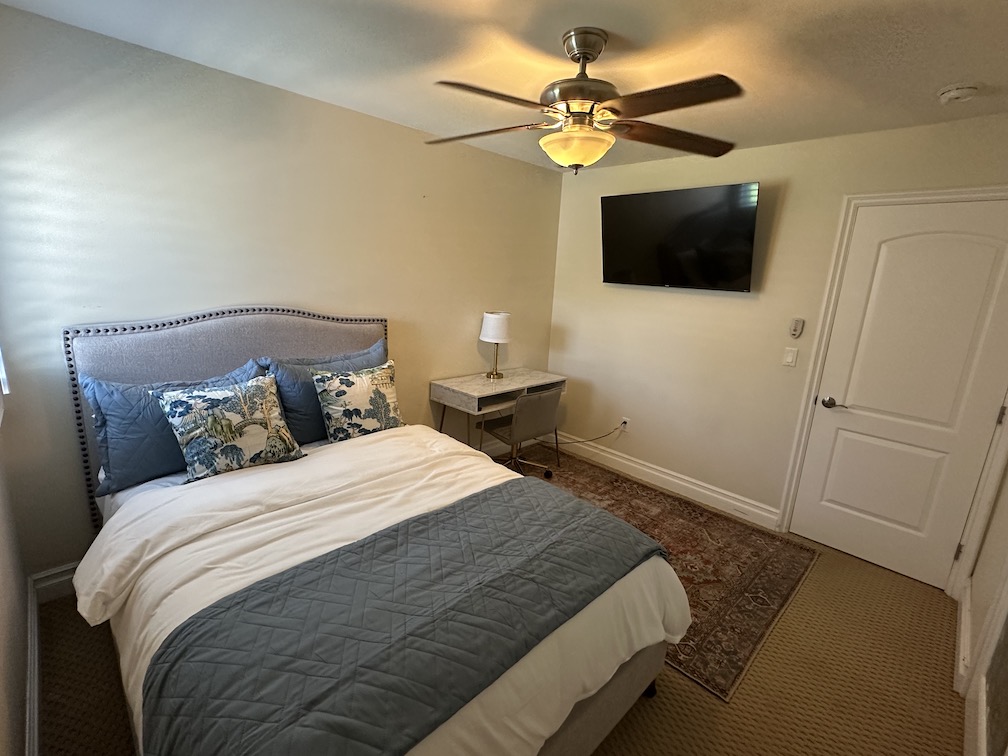
Taking the step to seek help for your nightmares is a courageous part of reclaiming your life and your wellness. At We Conquer Together, we provide a purpose-built environment where you can focus on your recovery away from daily triggers. Our small program size ensures that each person receives individual attention and a plan that fits their unique history. We offer private rooms – based on current capacity – to provide a sense of safety and intimacy during your stay.
Our clinical director and therapists coordinate with our registered dietitian to support your physical and emotional health. We understand that trauma impacts your entire system, and we are here to walk with you every step of the way. Reach out to our treatment center in Yorba Linda to discuss your needs and learn how we can support your journey. Together, we can help you find a future where you feel in control of your nights.
FAQs about PTSD and Nightmares
How to stop PTSD nightmares?
You can stop these nightmares by working with a clinician who utilizes evidence-based therapies like Imagery Rehearsal Therapy (IRT). This method helps you rescript the ending of the dream while you are awake so your brain learns a new response. Managing your stress during the day and practicing relaxation techniques also reduces the frequency of these episodes.
What is the difference between a nightmare and a night terror?
A nightmare occurs during rapid eye movement (REM) sleep and usually involves vivid images that you remember upon waking. A night terror happens during non-rapid eye movement (NREM) sleep, causing a sudden physical panic reaction while the person remains asleep. Individuals who experience night terrors often have no memory of the event in the morning.
Can medication help with trauma-related sleep issues?
Yes, a psychiatrist may recommend a medication like prazosin to help reduce the adrenaline response that triggers PTSD nightmares. This treatment can help lower the physical symptoms of fear so you can stay asleep and find deeper rest. Your support team will work with you to determine if medication is a helpful part of your plan.
Why does trauma cause hyperarousal at night?
A traumatic event keeps your nervous system in a constant state of alert to protect you from perceived danger. This hyperarousal makes it difficult for your body to relax and transition into the deeper stages of the sleep cycle. Creating a calming environment and practicing sleep hygiene can help signal safety to your brain.
How does the hippocampus affect your dreams?
The National Institute of Mental Health (NIMH) and other research institutions show that the hippocampus is responsible for organizing and processing your memories. When trauma disrupts this process, the memories remain active and easily triggered, leading to bad dreams and flashbacks. Processing these memories in therapy helps the brain file them away so they stop disrupting your sleep.