
Key Takeaways:
- Hair loss from anorexia is primarily caused by malnutrition, as the body redirects energy away from non-essential functions like hair growth to protect vital organs.
- A common condition called telogen effluvium occurs when stress and nutrient deficiencies push hair follicles into a resting phase, leading to noticeable shedding and thinning.
- Can anorexia cause permanent hair loss? In most cases, hair loss is temporary and reversible with proper nutrition, weight restoration, and medical support.
- Other eating disorders like bulimia and binge eating disorder can also contribute to hair thinning due to nutrient imbalances and disrupted absorption.
- Recovery requires a holistic approach, including nutritional rehabilitation, medical monitoring, and therapy to restore both physical health and a healthy relationship with food.
Navigating a complicated relationship with food and your own reflection can feel incredibly heavy. Often, the silent internal struggles we face begin to show themselves on the outside, bringing a new wave of worry and sadness. When a person is battling an eating disorder, the unexpected physical changes can be frightening and deeply discouraging to witness. It is so important to approach these bodily changes with gentle understanding rather than harsh judgment, recognizing them as the body’s plea for nourishment and care.
Healing is absolutely possible, and acknowledging these physical signs is a necessary first step toward reclaiming your well-being. Finding the courage to talk about these physical symptoms can help lift the shame that so often accompanies disordered eating habits. By learning exactly why these changes happen, you and your family can approach the healing journey with self-compassion, knowing that the body is simply trying its best to survive under difficult circumstances.
Understanding Anorexia Nervosa and Malnutrition
To fully understand why these physical changes occur, we must first gently look at Anorexia Nervosa. This condition often involves significant weight loss and an intense fear of gaining weight, leading to deeply restrictive eating patterns that affect every part of a person’s life. When the human body does not receive enough daily energy to function, it faces malnutrition. In response, the body must make automatic choices to protect its vital organs, such as the heart and brain, redirecting essential energy away from non-essential functions like maintaining overall hair health.
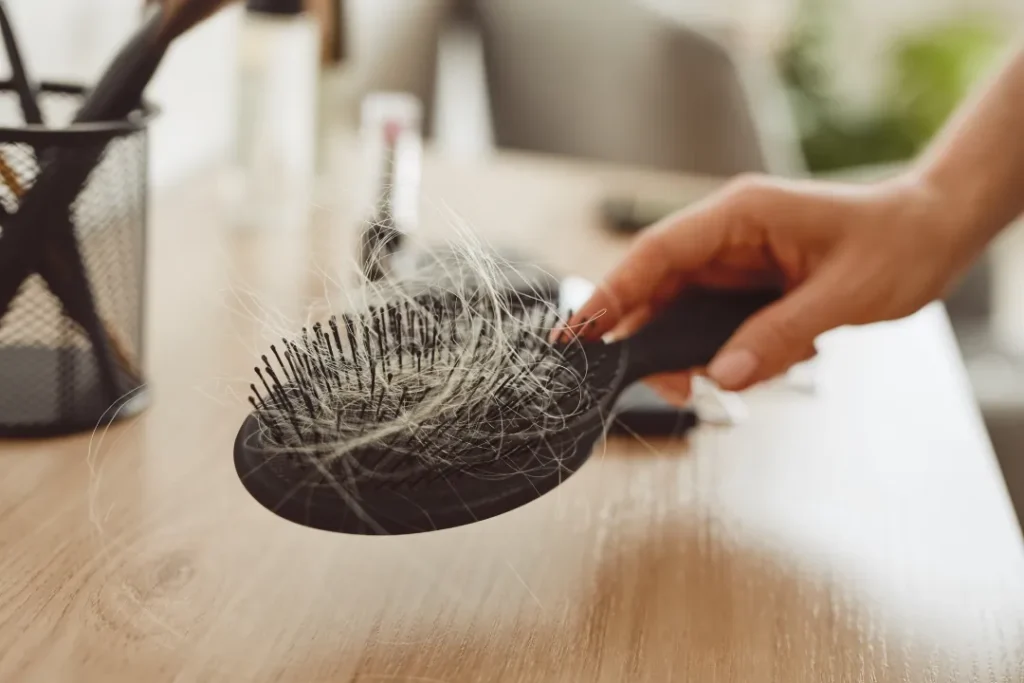
This biological survival mechanism is what directly leads to anorexia hair loss. Without proper, consistent nourishment, individuals may notice significant hair thinning or find that they are losing much more hair than usual in the shower or on their hairbrush. These sudden changes can severely impact a person’s body image, adding another layer of sadness to an already heavy emotional burden. Understanding that this is a common physical symptom of a mental health condition, rather than a permanent personal flaw, helps individuals approach their restorative journey with much-needed grace and patience.
The Science Behind the Hair Growth Cycle
The human body operates through delicate, beautifully interconnected systems. To understand what can cause hair loss, it helps to look at the natural hair growth cycle. Normally, hair follicles go through predictable phases of growing, resting, and shedding. However, when the body experiences the physical trauma of prolonged starvation or elevated stress hormones, it can prematurely push a massive number of follicles into the resting phase all at once. This condition is known in dermatology as telogen effluvium, a temporary but startling condition where the hair sheds in noticeably large amounts.
To maintain strong, healthy hair, the body requires a steady, reliable supply of essential nutrients. A severe nutrient deficiency can quickly disrupt this delicate internal balance. Lacking crucial dietary elements like fatty acids, biotin, and vitamin a leaves the hair strands weak, eventually leading to noticeably brittle hair that breaks easily. This perfectly explains why simply trying to use over-the-counter vitamins or supplements rarely solves the underlying problem; the body needs complete, holistic nourishment from whole foods to function harmoniously again.
Recognizing Other Common Eating Disorders
While severe anorexia is frequently associated with these specific physical changes, it is certainly not the only condition that impacts the body in this way. Other common eating disorders, such as Bulimia Nervosa (often referred to simply as Bulimia) and Binge Eating disorder, can also lead to significant physical distress. The cycles of restricting, binging, and purging create internal imbalances that disrupt the body’s ability to properly absorb vital nutrients, ultimately affecting overall physical health and natural hair growth.
Individuals engaging in disordered eating might also turn to harmful compensatory behaviors, like the frequent misuse of laxatives or engaging in excessive exercise, which further deplete the body’s energy reserves and hydration levels. The painful side effects of these behaviors place immense strain on the heart, digestion, and endocrine system. Over time, the cumulative health risks associated with these actions manifest outwardly, serving as an urgent reminder that the body needs professional, compassionate healthcare to find equilibrium and peace.
Unique Physical Effects of Anorexia
As the body fights to survive the daily effects of anorexia, it often develops unique, sometimes surprising coping mechanisms. One of the most noticeable adaptations is the growth of lanugo, a very fine, downy hair that suddenly appears on the face, arms, and back. Because the malnourished body lacks the necessary fat stores to naturally keep itself warm, it grows this delicate layer of hair as a protective, insulating blanket. While this change can feel embarrassing or deeply upsetting, it is simply the body’s attempt to protect itself from the cold. Recognizing these signs is an important part of seeking necessary help.
Gentle Steps Toward Hair Regrowth and Healing
The most encouraging truth is that these physical symptoms are largely reversible over time. The fundamental foundation for meaningful hair regrowth begins with intentional, steady weight gain and fully restoring the body’s natural nutritional baseline. Working alongside a compassionate specialized dietitian through personalized nutrition counseling can help individuals slowly and safely reintroduce the sustaining foods their bodies need to thrive.
A holistic approach involves building a warm, supportive circle of care around the individual:
- Engaging in specialized eating disorder treatment to address the root emotional causes of the distress and build new coping skills.
- Attending regular medical checkups to safely monitor internal healing and monitor nutrient levels.
- Leaning on the encouragement of a caring loved one.
- Practicing patience, knowing that physical restoration and new hair growth take many months to become visible.
Finding Compassionate Healing at We Conquer Together
If you or someone you care deeply about is navigating the realities of a mental health struggle, please know that you do not have to walk this path alone. At We Conquer Together, our purpose-built inpatient facility in Orange County provides a warm, welcoming space where true healing can finally begin. We understand that finding your way back to health takes immense courage, and our compassionate support team is here to walk alongside individuals in our care every single step of the way.We offer comprehensive programs tailored entirely to your unique journey, ensuring that both your physical and emotional needs are met with warmth and understanding. By combining therapeutic support with nutritional guidance, we help you rebuild a peaceful relationship with your body, your food, and your future. Reach out to our admissions department today to discover how we can help you find lasting peace and a brighter, much healthier tomorrow