Borderline Personality Disorder (BPD) is one of the most misunderstood mental health conditions. For people with BPD—and for their loved ones—life can feel like a constant storm of shifting emotions, unstable relationships, impulsive decisions, and overwhelming feelings of emptiness. At times, self-harming behaviors or suicidal thoughts may occur, creating deep concern for safety and stability.
One reason BPD is so difficult to treat is that symptoms directly impact the treatment process itself. Intense fear of abandonment, rapid mood swings, and challenges with self-image often make it difficult to trust providers or stick with traditional treatment programs. Many people with BPD struggle to build lasting connections with therapists, which can cause them to drop out of care before progress is made. Additionally, BPD frequently co-occurs with other mental health disorders, such as depression, PTSD, bipolar disorder, or substance use disorders, adding another layer of complexity.
But difficult does not mean impossible. With the right level of structure, consistency, and evidence-based treatment, meaningful recovery from BPD is possible. That’s why our inpatient borderline personality disorder treatment in Orange County provides a safe, structured environment where patients can focus fully on healing.
At We Conquer Together, we understand that people with BPD require a unique, consistent, and highly structured approach to treatment. Our residential treatment programs in Southern California are designed to help patients feel safe, supported, and understood while receiving intensive therapeutic care.
Stability is essential for healing. In our inpatient program, clients follow a daily routine that includes consistent wake-up times, regular meals, and structured activities. These predictable rhythms reduce stress, create a sense of safety, and help regulate emotions—something that people with BPD often struggle with in their daily life.
Isolation and disconnection are common symptoms of borderline personality disorder. To counter this, our program emphasizes group therapy, where clients spend 5–6 hours a day learning and practicing new skills together. These therapy sessions cover emotional regulation, distress tolerance, interpersonal effectiveness, and self-compassion. Led by licensed mental health professionals, groups provide both structure and community support—reminding patients that they are not alone in their recovery journey.
In addition to group work, clients meet with their therapist one to two times each week for individual therapy. We recognize that trust takes time, especially for people with BPD who may have experienced trauma or invalidation in the past. That’s why our programs often last 30–45 days or longer, giving clients enough time to build relationships with their therapists and begin making real progress.
Although there is no single medication that “cures” BPD, some people benefit from medication management to help regulate mood swings, treat co-occurring anxiety or depression, or manage co-occurring disorders such as substance abuse. Our psychiatrists work closely with patients to develop a safe, individualized plan that supports emotional stability and complements psychotherapy.
Contact our admissions department today and receive a free verification of benefis. Professionals are standing by for you or your loved one and ready to answer any questions you may have.
For many years, BPD carried an unfair reputation as “untreatable.” Today, we know that isn’t true. With comprehensive, evidence-based treatment, many people with BPD achieve full remission of symptoms and go on to live balanced, fulfilling lives.
Dialectical Behavior Therapy (DBT) was developed specifically for treating people with BPD. This therapy focuses on four key areas:
Numerous studies have shown DBT to be highly effective in treating BPD and related mental health issues, making it the gold standard for care. Other approaches, such as CBT, trauma-focused therapy, family therapy, and holistic wellness practices, are also incorporated into care to address the full spectrum of needs.
At We Conquer Together, we combine these evidence-based therapies with compassionate support to help patients not just survive, but thrive. While recovery may not look the same for everyone, the goal of borderline personality disorder treatment is to build the coping skills, self-awareness, and emotional balance necessary for long-term well-being.
Choosing an inpatient level of care for BPD provides unique benefits that outpatient programs alone cannot offer:
Healing isn’t one-size-fits-all. That’s why we build a treatment plan just for you—centered on your history, current symptoms, co-occurring conditions, and personal goals. From the very beginning, you’ll be part of the planning process, and we make sure every step honors your voice and preferences. While the structure of inpatient care provides necessary safety, we don’t believe in taking away your autonomy—we help you reclaim it.
You’ll be matched with a licensed therapist who is handpicked to support your needs and build a strong therapeutic relationship. This person will guide your treatment from start to finish, helping you dig deep, process difficult experiences, and develop practical skills for managing bipolar disorder. Continuity matters, and having one consistent therapist allows for deeper trust and greater progress.
Recovery from borderline personality disorder is a process, not a one-time event. That’s why we create detailed aftercare plans for every patient. Aftercare may include:
This continuum of care ensures that patients and their family members have ongoing guidance, reducing relapse risk and supporting long-term success.


If you or a loved one is struggling with borderline personality disorder in Orange County, California, help is available. At We Conquer Together, our inpatient borderline personality disorder treatment program offers compassionate, structured, and evidence-based care designed to help people with BPD stabilize, build trust, and move toward recovery.
Our admissions team is here to answer your questions, explain treatment options, and verify insurance with your insurance provider. Together, we can design a treatment plan that addresses your unique needs and provides the path forward.
Call us today to learn more about our programs, schedule a confidential assessment, and take the first step toward lasting mental health and well-being.
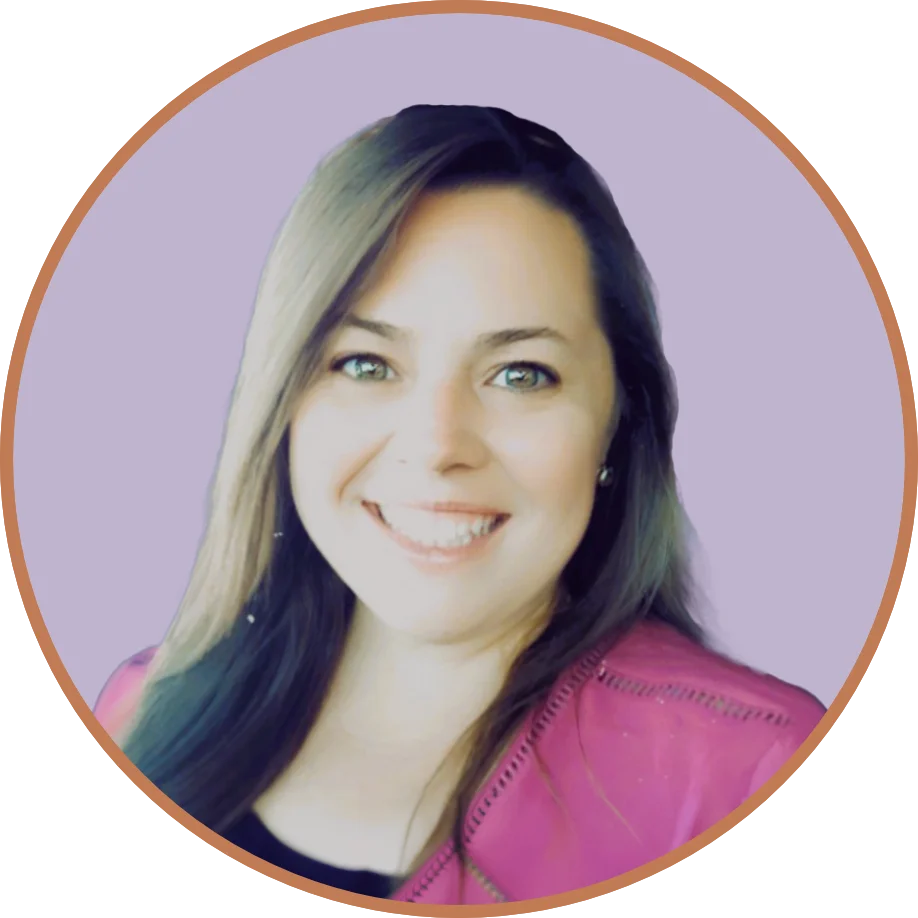
Dr. Kelly Gonderman is a Licensed Clinical Psychologist with extensive experience in clinical practice, supervision, and program administration. She earned her Doctorate in Clinical Psychology from Biola University’s Rosemead School of Psychology and has developed broad clinical expertise in the treatment of mood and anxiety disorders, trauma, eating disorders, co-occurring substance use, and personality-related concerns.
As Clinical Director at We Conquer Together, Dr. Gonderman specializes in fostering supportive and structured therapeutic environments where clients can heal, build resilience, and develop lasting skills for long-term well-being.
We Conquer Together
We firmly believe that the internet should be available and accessible to anyone, and are committed to providing a website that is accessible to the widest possible audience, regardless of circumstance and ability.
To fulfill this, we aim to adhere as strictly as possible to the World Wide Web Consortium’s (W3C) Web Content Accessibility Guidelines 2.1 (WCAG 2.1) at the AA level. These guidelines explain how to make web content accessible to people with a wide array of disabilities. Complying with those guidelines helps us ensure that the website is accessible to all people: blind people, people with motor impairments, visual impairment, cognitive disabilities, and more.
This website utilizes various technologies that are meant to make it as accessible as possible at all times. We utilize an accessibility interface that allows persons with specific disabilities to adjust the website’s UI (user interface) and design it to their personal needs.
Additionally, the website utilizes an AI-based application that runs in the background and optimizes its accessibility level constantly. This application remediates the website’s HTML, adapts Its functionality and behavior for screen-readers used by the blind users, and for keyboard functions used by individuals with motor impairments.
If you’ve found a malfunction or have ideas for improvement, we’ll be happy to hear from you. You can reach out to the website’s operators by using the following email
Our website implements the ARIA attributes (Accessible Rich Internet Applications) technique, alongside various different behavioral changes, to ensure blind users visiting with screen-readers are able to read, comprehend, and enjoy the website’s functions. As soon as a user with a screen-reader enters your site, they immediately receive a prompt to enter the Screen-Reader Profile so they can browse and operate your site effectively. Here’s how our website covers some of the most important screen-reader requirements, alongside console screenshots of code examples:
Screen-reader optimization: we run a background process that learns the website’s components from top to bottom, to ensure ongoing compliance even when updating the website. In this process, we provide screen-readers with meaningful data using the ARIA set of attributes. For example, we provide accurate form labels; descriptions for actionable icons (social media icons, search icons, cart icons, etc.); validation guidance for form inputs; element roles such as buttons, menus, modal dialogues (popups), and others. Additionally, the background process scans all the website’s images and provides an accurate and meaningful image-object-recognition-based description as an ALT (alternate text) tag for images that are not described. It will also extract texts that are embedded within the image, using an OCR (optical character recognition) technology. To turn on screen-reader adjustments at any time, users need only to press the Alt+1 keyboard combination. Screen-reader users also get automatic announcements to turn the Screen-reader mode on as soon as they enter the website.
These adjustments are compatible with all popular screen readers, including JAWS and NVDA.
Keyboard navigation optimization: The background process also adjusts the website’s HTML, and adds various behaviors using JavaScript code to make the website operable by the keyboard. This includes the ability to navigate the website using the Tab and Shift+Tab keys, operate dropdowns with the arrow keys, close them with Esc, trigger buttons and links using the Enter key, navigate between radio and checkbox elements using the arrow keys, and fill them in with the Spacebar or Enter key.Additionally, keyboard users will find quick-navigation and content-skip menus, available at any time by clicking Alt+1, or as the first elements of the site while navigating with the keyboard. The background process also handles triggered popups by moving the keyboard focus towards them as soon as they appear, and not allow the focus drift outside it.
Users can also use shortcuts such as “M” (menus), “H” (headings), “F” (forms), “B” (buttons), and “G” (graphics) to jump to specific elements.
We aim to support the widest array of browsers and assistive technologies as possible, so our users can choose the best fitting tools for them, with as few limitations as possible. Therefore, we have worked very hard to be able to support all major systems that comprise over 95% of the user market share including Google Chrome, Mozilla Firefox, Apple Safari, Opera and Microsoft Edge, JAWS and NVDA (screen readers).
Despite our very best efforts to allow anybody to adjust the website to their needs. There may still be pages or sections that are not fully accessible, are in the process of becoming accessible, or are lacking an adequate technological solution to make them accessible. Still, we are continually improving our accessibility, adding, updating and improving its options and features, and developing and adopting new technologies. All this is meant to reach the optimal level of accessibility, following technological advancements. For any assistance, please reach out to