
Dual diagnosis treatment is a specialized approach designed for individuals struggling with both mental health disorders and substance use disorders simultaneously. At We Conquer Together, located in Yorba Linda and serving all of Orange County, we recognize the intricate relationship between these co-occurring conditions and the importance of addressing them concurrently. Our comprehensive dual diagnosis treatment center integrates mental health therapy with addiction treatment, ensuring that each aspect of our patients’ well-being is attended to. By providing a holistic and personalized treatment plan, we help our patients achieve long-term recovery and improved mental health.
A dual diagnosis, also known as co-occurring disorders, refers to the condition in which an individual simultaneously experiences a mental health disorder and a substance use disorder. This complex interplay between mental illness and addiction can complicate the treatment process, as each condition can exacerbate the symptoms of the other. For example, someone struggling with depression may turn to alcohol or drugs as a form of self-medication, which in turn can worsen their depressive symptoms and lead to a cycle of dependency and worsening mental health.
Understanding dual diagnosis is crucial because treating just one of the conditions often leads to incomplete recovery and a higher likelihood of relapse. Effective dual diagnosis treatment requires an integrated approach that addresses both the mental health disorder and the substance use disorder concurrently. This holistic treatment strategy aims to uncover and treat the underlying causes of both conditions, helping individuals achieve lasting recovery and improved overall well-being. At We Conquer Together, we are dedicated to providing comprehensive dual diagnosis treatment that targets both aspects of our patients’ health, facilitating their journey to recovery and stability.
Dual diagnosis presents a unique set of challenges, as individuals experience symptoms of both mental health disorders and substance use disorders simultaneously. Recognizing the signs of dual diagnosis is critical for seeking appropriate treatment and support. Symptoms can vary widely depending on the specific mental health and substance use disorders involved, but there are common indicators that can help identify the presence of a dual diagnosis.
Recognizing these symptoms is the first step toward obtaining the necessary help and treatment. At We Conquer Together, our dual diagnosis treatment center is designed to address the complex interplay of these symptoms, providing comprehensive care that targets both mental health and substance use disorders. Our goal is to help individuals regain control of their lives, improve their mental and physical health, and build a foundation for long-term recovery.
Dual diagnosis is more common than many people realize, with studies indicating that nearly half of individuals with a substance use disorder also have a co-occurring mental health disorder. Conversely, about 36.5% of those with a mental health condition also struggle with substance abuse. This significant overlap underscores the importance of integrated treatment approaches that address both conditions simultaneously, as untreated mental health issues can exacerbate substance use and vice versa. At We Conquer Together, we are committed to providing specialized care for individuals with dual diagnoses, helping them navigate the complexities of their conditions and achieve lasting recovery.

Treating dual diagnosis requires a comprehensive and multifaceted approach that addresses both the mental health disorder and the substance use disorder concurrently. At We Conquer Together, we offer a variety of treatment options in California, tailored to meet the unique needs of each individual. As a dual diagnosis treatment center, our integrated treatment plans combine evidence-based therapies with supportive services to promote long-term recovery and overall well-being.
Psychotherapy is a cornerstone of dual diagnosis treatment, providing individuals with the tools and strategies to manage their mental health symptoms and substance use. Therapies such as cognitive-behavioral therapy (CBT) and dialectical behavior therapy (DBT) help patients understand the underlying causes of their conditions, develop healthier coping mechanisms, and improve their emotional regulation. Through regular sessions with experienced therapists, patients can work through their issues in a safe and supportive environment.
Medication management is often a critical component of dual diagnosis treatment. Certain medications can help alleviate the symptoms of mental health disorders such as depression, anxiety, or bipolar disorder, making it easier for individuals to engage in therapy and other treatment activities. Additionally, medications may be prescribed to manage withdrawal symptoms and reduce cravings for substances. Our team of psychiatrists and medical professionals carefully monitors each patient’s medication regimen to ensure safety and effectiveness.
Group therapy offers a unique and powerful dynamic in the treatment of dual diagnosis. Participating in group sessions allows individuals to connect with others who are facing similar challenges, providing mutual support and encouragement. Group therapy can help reduce feelings of isolation, build a sense of community, and foster the development of interpersonal skills. It also provides a platform for sharing experiences, learning from others, and gaining new perspectives on recovery.
Holistic therapies play an essential role in our dual diagnosis treatment program by addressing the whole person—mind, body, and spirit. Techniques such as yoga, meditation, acupuncture, and art therapy can enhance emotional well-being, reduce stress, and promote physical health. These therapies complement traditional treatments and provide additional tools for managing symptoms and maintaining a balanced lifestyle. By incorporating holistic approaches, we aim to support our patients’ overall health and recovery journey.
Lifestyle and wellness programs are designed to help individuals make sustainable changes that support their long-term recovery. These programs may include nutritional counseling, mindful movement practices, stress management techniques, and educational workshops on healthy living. By focusing on lifestyle modifications, patients can improve their physical health, boost their energy levels, and enhance their mental clarity. Our goal is to empower individuals to adopt and maintain healthy habits that contribute to their overall well-being and prevent relapse.

At We Conquer Together, we believe that a multifaceted approach to dual diagnosis treatment can lead to more effective and lasting recovery. Our dedicated team of mental health professionals is committed to providing compassionate and individualized care to help you achieve a better quality of life.
Treating both mental health disorders and substance use disorders simultaneously is crucial for achieving long-term recovery and overall well-being. When these conditions are addressed separately, the risk of relapse and worsening symptoms increases significantly. Substance use can exacerbate mental health issues, making symptoms more severe and harder to manage. Conversely, untreated mental health disorders can lead individuals to self-medicate with drugs or alcohol, perpetuating the cycle of addiction. By integrating treatment for both issues, we can break this cycle and provide more effective and lasting solutions.
If you are struggling with substance abuse, do not attempt to stop on your own without medical supervision. Suddenly quitting certain substances—such as alcohol, benzodiazepines, or opioids—can lead to dangerous withdrawal symptoms, including seizures, heart complications, and severe mental distress. Proper detox is a critical first step in the recovery process, ensuring that individuals can safely manage withdrawal symptoms before engaging in comprehensive treatment. Attempting to detox without proper medical care can be life-threatening.
At We Conquer Together, we understand the complex interplay between mental health and substance use disorders. Our integrated treatment approach ensures that both conditions are addressed in a cohesive and comprehensive manner. This holistic strategy not only helps alleviate symptoms but also tackles the root causes of these disorders. By treating both issues concurrently, we empower our patients to achieve a balanced, healthier life, reducing the likelihood of relapse and promoting sustained recovery.
At We Conquer Together, we are dedicated to helping individuals reclaim their lives from the challenges of dual diagnosis. Our comprehensive treatment programs in California are designed to address both mental health disorders and substance use disorders, providing a pathway to lasting recovery and wellness. Our team of compassionate professionals is committed to offering personalized care and support, ensuring that each patient receives the attention and treatment they need to thrive.
If you or a loved one is struggling with a dual diagnosis, don’t hesitate to reach out to us. The journey to wellness begins with the right support and treatment, and we are here to help every step of the way. Contact We Conquer Together today to learn more about our programs and how we can assist you in achieving a healthier, more fulfilling life. Together, we can conquer the challenges of dual diagnosis and build a brighter future.
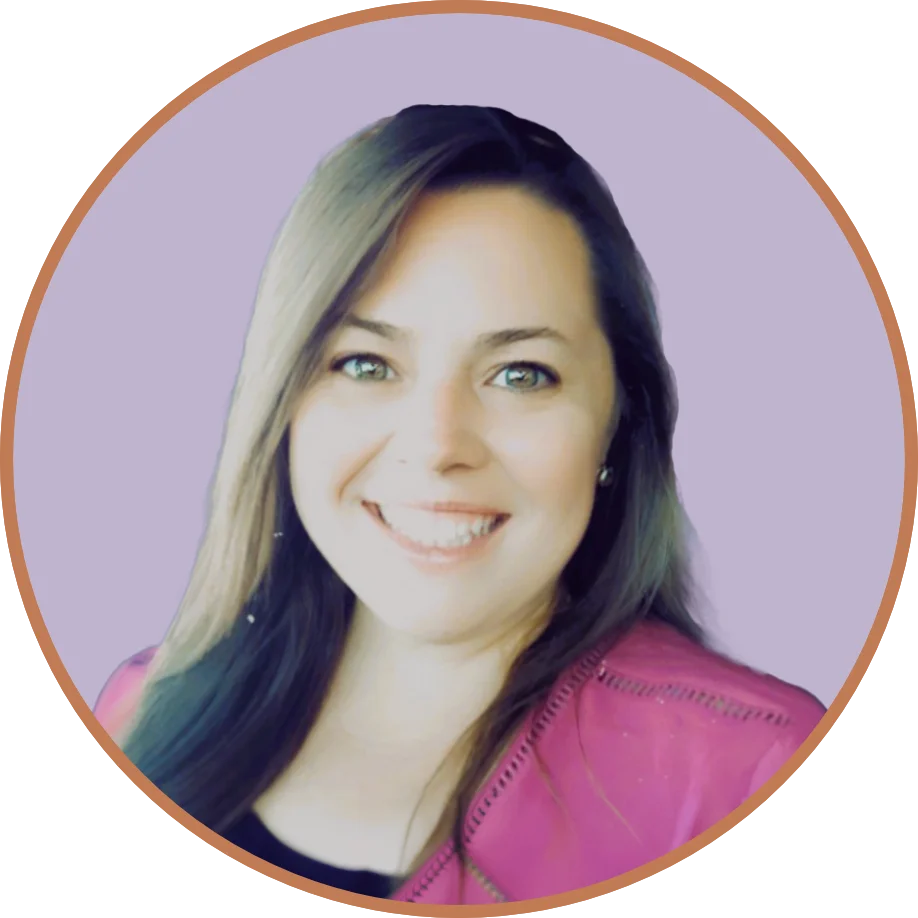
Dr. Kelly Gonderman is a Licensed Clinical Psychologist with extensive experience in clinical practice, supervision, and program administration. She earned her Doctorate in Clinical Psychology from Biola University’s Rosemead School of Psychology and has developed broad clinical expertise in the treatment of mood and anxiety disorders, trauma, eating disorders, co-occurring substance use, and personality-related concerns.
As Clinical Director at We Conquer Together, Dr. Gonderman specializes in fostering supportive and structured therapeutic environments where clients can heal, build resilience, and develop lasting skills for long-term well-being.
We Conquer Together
We firmly believe that the internet should be available and accessible to anyone, and are committed to providing a website that is accessible to the widest possible audience, regardless of circumstance and ability.
To fulfill this, we aim to adhere as strictly as possible to the World Wide Web Consortium’s (W3C) Web Content Accessibility Guidelines 2.1 (WCAG 2.1) at the AA level. These guidelines explain how to make web content accessible to people with a wide array of disabilities. Complying with those guidelines helps us ensure that the website is accessible to all people: blind people, people with motor impairments, visual impairment, cognitive disabilities, and more.
This website utilizes various technologies that are meant to make it as accessible as possible at all times. We utilize an accessibility interface that allows persons with specific disabilities to adjust the website’s UI (user interface) and design it to their personal needs.
Additionally, the website utilizes an AI-based application that runs in the background and optimizes its accessibility level constantly. This application remediates the website’s HTML, adapts Its functionality and behavior for screen-readers used by the blind users, and for keyboard functions used by individuals with motor impairments.
If you’ve found a malfunction or have ideas for improvement, we’ll be happy to hear from you. You can reach out to the website’s operators by using the following email
Our website implements the ARIA attributes (Accessible Rich Internet Applications) technique, alongside various different behavioral changes, to ensure blind users visiting with screen-readers are able to read, comprehend, and enjoy the website’s functions. As soon as a user with a screen-reader enters your site, they immediately receive a prompt to enter the Screen-Reader Profile so they can browse and operate your site effectively. Here’s how our website covers some of the most important screen-reader requirements, alongside console screenshots of code examples:
Screen-reader optimization: we run a background process that learns the website’s components from top to bottom, to ensure ongoing compliance even when updating the website. In this process, we provide screen-readers with meaningful data using the ARIA set of attributes. For example, we provide accurate form labels; descriptions for actionable icons (social media icons, search icons, cart icons, etc.); validation guidance for form inputs; element roles such as buttons, menus, modal dialogues (popups), and others. Additionally, the background process scans all the website’s images and provides an accurate and meaningful image-object-recognition-based description as an ALT (alternate text) tag for images that are not described. It will also extract texts that are embedded within the image, using an OCR (optical character recognition) technology. To turn on screen-reader adjustments at any time, users need only to press the Alt+1 keyboard combination. Screen-reader users also get automatic announcements to turn the Screen-reader mode on as soon as they enter the website.
These adjustments are compatible with all popular screen readers, including JAWS and NVDA.
Keyboard navigation optimization: The background process also adjusts the website’s HTML, and adds various behaviors using JavaScript code to make the website operable by the keyboard. This includes the ability to navigate the website using the Tab and Shift+Tab keys, operate dropdowns with the arrow keys, close them with Esc, trigger buttons and links using the Enter key, navigate between radio and checkbox elements using the arrow keys, and fill them in with the Spacebar or Enter key.Additionally, keyboard users will find quick-navigation and content-skip menus, available at any time by clicking Alt+1, or as the first elements of the site while navigating with the keyboard. The background process also handles triggered popups by moving the keyboard focus towards them as soon as they appear, and not allow the focus drift outside it.
Users can also use shortcuts such as “M” (menus), “H” (headings), “F” (forms), “B” (buttons), and “G” (graphics) to jump to specific elements.
We aim to support the widest array of browsers and assistive technologies as possible, so our users can choose the best fitting tools for them, with as few limitations as possible. Therefore, we have worked very hard to be able to support all major systems that comprise over 95% of the user market share including Google Chrome, Mozilla Firefox, Apple Safari, Opera and Microsoft Edge, JAWS and NVDA (screen readers).
Despite our very best efforts to allow anybody to adjust the website to their needs. There may still be pages or sections that are not fully accessible, are in the process of becoming accessible, or are lacking an adequate technological solution to make them accessible. Still, we are continually improving our accessibility, adding, updating and improving its options and features, and developing and adopting new technologies. All this is meant to reach the optimal level of accessibility, following technological advancements. For any assistance, please reach out to