

Welcome to We Conquer Together, an addiction treatment center located in Orange County. Our organization provides trauma and addiction treatment for women who navigate substance use as a secondary symptom to a primary mental health condition. By treating the root causes of psychological distress, our clinicians develop a treatment plan that supports wellness and well-being.
Finding effective treatment involves health care services that understand the intersection of trauma and substance abuse. Our treatment facility offers an inpatient structure where individuals can step away from daily stressors and focus on the healing process. We utilize a holistic approach that integrates mental health treatment with addiction recovery to help individuals build a foundation for long-term recovery.
While we do not operate a gender-specific facility, our all genders environment maintains a capacity of only six beds to ensure a supportive environment for individuals in our care . We thoughtfully evaluate each admission to determine how we can best support the incoming resident while remaining mindful of the needs and wellbeing of the existing community. We provide single occupancy rooms to accommodate individuals with trauma triggers and unique needs. This setup provides privacy and a safe space for stabilization during the substance abuse treatment process.
By maintaining an intimate capacity, our support team can focus entirely on the individual. This approach removes distractions and allows individuals to engage deeply with their treatment program. We prioritize physical and emotional safety, ensuring that the environment always supports your goals and respects your boundaries.
When women face mental health challenges, they sometimes turn to substance use to manage their emotional pain. This coping mechanism frequently develops into substance use disorders. Providers refer to the intersection of mental health disorders and addiction as co-occurring disorders. Treating this combination requires a dual diagnosis treatment framework that addresses both issues simultaneously. Addiction treatment programs cannot succeed if they ignore the underlying trauma that drives the alcohol addiction or drug rehab needs.
Trauma alters brain chemistry and creates distress that complicates the healing process. Women navigate societal pressures and interpersonal experiences that require trauma-informed care. By prioritizing the primary mental health conditions, our treatment program addresses the source of the pain rather than just managing the surface behaviors. This methodology supports lasting recovery and provides a path forward for women seeking help.
Recognizing the signs of trauma and addiction provides direction for seeking help. These challenges disrupt routines and impact relationships with peers and family members. Our support team evaluates these signs to design treatment options that address the specific needs of the individual.

Finding balance involves utilizing evidence-based therapies that build coping skills and support emotional regulation. Our residential treatment integrates behavioral health practices to guide individuals through their experiences safely. These modalities offer actionable tools for the future.

Get started today
Getting help can feel hard, but you’re not alone. Our team can check your insurance for free, and many plans cover all treatment costs.

Sometimes psychotherapy requires additional interventions to support stabilization. We utilize advanced treatments that target biological factors and reset the nervous system. Our clinical director oversees the integration of these tools to ensure they align with the overall treatment program.
Navigating treatment services requires understanding the different levels of care available. The process often begins with medical detox to ensure physical safety during withdrawal. We coordinate detoxification processes with our partners before individuals transition into our inpatient care. This residential environment provides continuous supervision while removing external stressors, allowing individuals to focus entirely on their healing. We also provide support for eating disorders alongside our secondary substance abuse disorder treatment.
Healing continues after individuals complete our primary mental health and secondary addiction treatment programs. Our team builds comprehensive aftercare plans to coordinate the transition to outpatient treatment. This step-down process might include an intensive outpatient program (IOP) or a standard outpatient program. Transitioning to an intensive outpatient structure provides guidance while individuals return to their routines. We coordinate with outside providers to ensure continuity of care and support.
Finding a support team makes a difference when seeking substance abuse treatment in Southern California. Our facility supports individuals from Newport Beach, Huntington Beach, Irvine, and surrounding communities. We address the intersection of trauma and addiction in women while maintaining a focus on primary mental health conditions. By offering a space for stabilization that honors your experiences and privacy, we provide the foundation for lasting wellness.
Navigating rehab programs and health care services can feel overwhelming for families. Our admissions team handles the details and guides you through the process without judgment. Reach out to our facility today to verify your benefits and explore the options available for your addiction recovery journey. We offer the support needed to help you rebuild your life.
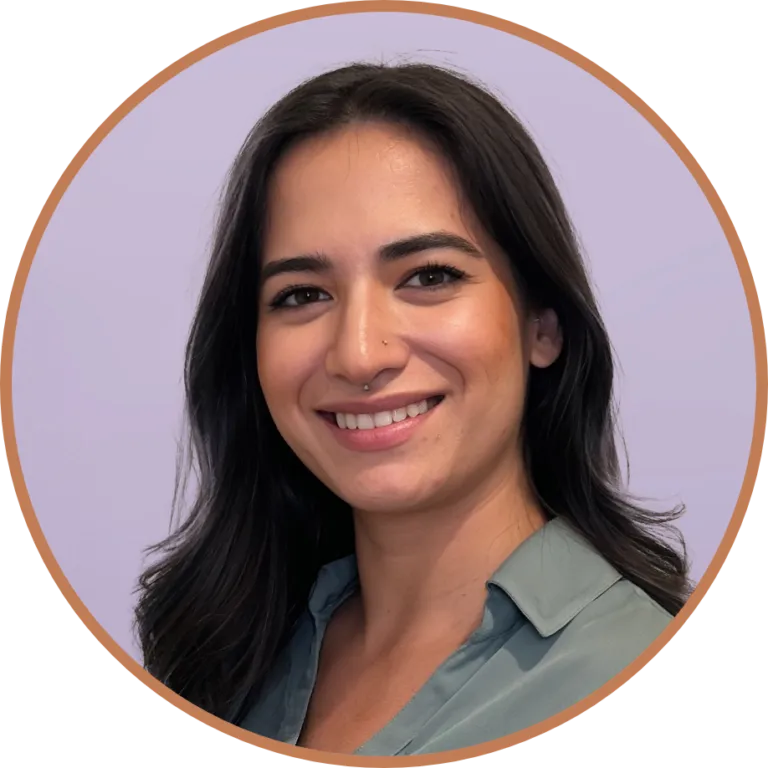
Sasha Antoun holds over six years of experience in the behavioral health treatment landscape. With a comprehensive background spanning various facets of the field, she brings a wealth of expertise to our team, offering a great understanding of every available level of care.
As an internationally certified counselor, Sasha’s professional areas of focus primarily center around admissions work and community outreach. Her passion lies in creating a sense of safety and trust for those in distress.
Medically reviewed by Dr. Kelly Gonderman, Psy.D., Licensed Clinical Psychologist
Co-occurring disorders happen when an individual experiences a mental health condition and an addiction simultaneously. The mental health issue typically drives the substance use. Treatment must address both challenges at the same time to ensure effective healing.
We do not offer a women-only program. Our facility is a all genders environment with an six-bed capacity. We offer single occupancy rooms to provide privacy and accommodate trauma triggers and can provide referrals of gender specific programs as needed.
Trauma alters brain chemistry and creates psychological distress. Individuals often use substances to cope with these uncomfortable feelings. This behavior frequently leads to a substance use disorder over time.
We coordinate safe detox processes with our partners for individuals entering our care. Medical supervision ensures physical safety during withdrawal. After detoxification, individuals transition directly into our residential treatment program.
Our team builds a step-down plan before an individual leaves our facility. This process often includes transitioning to an intensive outpatient program or finding outpatient support. Continuity of care supports lasting stability and wellness.
Our facility is an in-network option with many insurance plans. Coverage depends on the specific policy and the required health care services. Our admissions team verifies benefits to outline the available options for your care.
We Conquer Together
We firmly believe that the internet should be available and accessible to anyone, and are committed to providing a website that is accessible to the widest possible audience, regardless of circumstance and ability.
To fulfill this, we aim to adhere as strictly as possible to the World Wide Web Consortium’s (W3C) Web Content Accessibility Guidelines 2.1 (WCAG 2.1) at the AA level. These guidelines explain how to make web content accessible to people with a wide array of disabilities. Complying with those guidelines helps us ensure that the website is accessible to all people: blind people, people with motor impairments, visual impairment, cognitive disabilities, and more.
This website utilizes various technologies that are meant to make it as accessible as possible at all times. We utilize an accessibility interface that allows persons with specific disabilities to adjust the website’s UI (user interface) and design it to their personal needs.
Additionally, the website utilizes an AI-based application that runs in the background and optimizes its accessibility level constantly. This application remediates the website’s HTML, adapts Its functionality and behavior for screen-readers used by the blind users, and for keyboard functions used by individuals with motor impairments.
If you’ve found a malfunction or have ideas for improvement, we’ll be happy to hear from you. You can reach out to the website’s operators by using the following email
Our website implements the ARIA attributes (Accessible Rich Internet Applications) technique, alongside various different behavioral changes, to ensure blind users visiting with screen-readers are able to read, comprehend, and enjoy the website’s functions. As soon as a user with a screen-reader enters your site, they immediately receive a prompt to enter the Screen-Reader Profile so they can browse and operate your site effectively. Here’s how our website covers some of the most important screen-reader requirements, alongside console screenshots of code examples:
Screen-reader optimization: we run a background process that learns the website’s components from top to bottom, to ensure ongoing compliance even when updating the website. In this process, we provide screen-readers with meaningful data using the ARIA set of attributes. For example, we provide accurate form labels; descriptions for actionable icons (social media icons, search icons, cart icons, etc.); validation guidance for form inputs; element roles such as buttons, menus, modal dialogues (popups), and others. Additionally, the background process scans all the website’s images and provides an accurate and meaningful image-object-recognition-based description as an ALT (alternate text) tag for images that are not described. It will also extract texts that are embedded within the image, using an OCR (optical character recognition) technology. To turn on screen-reader adjustments at any time, users need only to press the Alt+1 keyboard combination. Screen-reader users also get automatic announcements to turn the Screen-reader mode on as soon as they enter the website.
These adjustments are compatible with all popular screen readers, including JAWS and NVDA.
Keyboard navigation optimization: The background process also adjusts the website’s HTML, and adds various behaviors using JavaScript code to make the website operable by the keyboard. This includes the ability to navigate the website using the Tab and Shift+Tab keys, operate dropdowns with the arrow keys, close them with Esc, trigger buttons and links using the Enter key, navigate between radio and checkbox elements using the arrow keys, and fill them in with the Spacebar or Enter key.Additionally, keyboard users will find quick-navigation and content-skip menus, available at any time by clicking Alt+1, or as the first elements of the site while navigating with the keyboard. The background process also handles triggered popups by moving the keyboard focus towards them as soon as they appear, and not allow the focus drift outside it.
Users can also use shortcuts such as “M” (menus), “H” (headings), “F” (forms), “B” (buttons), and “G” (graphics) to jump to specific elements.
We aim to support the widest array of browsers and assistive technologies as possible, so our users can choose the best fitting tools for them, with as few limitations as possible. Therefore, we have worked very hard to be able to support all major systems that comprise over 95% of the user market share including Google Chrome, Mozilla Firefox, Apple Safari, Opera and Microsoft Edge, JAWS and NVDA (screen readers).
Despite our very best efforts to allow anybody to adjust the website to their needs. There may still be pages or sections that are not fully accessible, are in the process of becoming accessible, or are lacking an adequate technological solution to make them accessible. Still, we are continually improving our accessibility, adding, updating and improving its options and features, and developing and adopting new technologies. All this is meant to reach the optimal level of accessibility, following technological advancements. For any assistance, please reach out to