

Experiencing a traumatic event modifies how the brain and body process threat, safety, and emotional distress. For many individuals, disordered eating develops as a coping mechanism to manage the internal chaos caused by unresolved trauma. At We Conquer Together, our eating disorder and trauma treatment program addresses these overlapping mental health conditions simultaneously. We recognize that treating food behaviors without resolving the underlying trauma fails to produce long-term eating disorder recovery. Our specialized eating disorder treatment center provides a supportive environment where individuals safely process past trauma while restoring physical health.
When trauma and eating disorders co-occur, traditional, single-focus treatment models are insufficient. Maladaptive survival behaviors such as severe restriction, purging, laxative misuse, or excessive exercise are directly linked to nervous system dysregulation. At our facility, the treatment team evaluates the whole person to understand how past experiences drive current behaviors. We specialize in residential treatment, a primary level of care we specialize in is residential treatment, which provides 24-hour clinical monitoring and structure. This intensive setting ensures medical safety, stabilizes food intake, and allows individuals to step away from environmental triggers to focus entirely on their well-being.
Our treatment program combines specialized psychological modalities with medical and nutritional interventions, while also promising care that emphasizes the importance of cultural, gender, and LGBTQIA+ affirming inclusivity. By treating the trauma and the eating disorders as interconnected issues, our clinicians help clients break the cycle of symptomatic behaviors. We offer specialized care for a wide array of diagnoses:
Contact our admissions department today and receive a free verification of benefis. Professionals are standing by for you or your loved one and ready to answer any questions you may have.
Our eating disorder treatment program relies strictly on evidence-based treatment to ensure clinical efficacy and safety. Trauma survivors frequently experience profound difficulties with emotional regulation, which directly impacts their relationship with food and their body image. We utilize specific therapeutic tools to build adaptive coping skills and foster self-compassion, treating both eating disorders and trauma simultaneously:
Nutritional restoration is managed directly by a registered dietitian who designs individualized meal plans based on metabolic needs. Our dietitian approach moves away from rigid rules, gradually introducing concepts of intuitive eating as the client stabilizes. Nutritional rehabilitation occurs alongside comprehensive clinical oversight to manage refeeding risks and restore physical equilibrium. The goal is to stabilize your relationship with food through structured support during and after meals.
Our nutritional philosophy values the Health at Every Size framework and incorporates an All Foods Fit perspective. This clinical standpoint removes morality from eating habits and minimizes shame around food intake. Over time, clients work one-on-one with the registered dietitian to decode how trauma triggers manifest as physical disruptions in appetite and digestion. Our specialized nutrition counseling sessions are fully integrated into your overarching medical treatment plan to ensure safe, sustainable restoration.
When trauma and eating disorders co-occur, the combination frequently serves as a breeding ground for additional mental health conditions. Survivors often experience severe nervous system exhaustion, which can lead to complex co-occurring disorders. Our clinical team is fully equipped to address the complex psychological profiles that arise when a primary mental illness is compounded by physical survival strategies. We provide concurrent, integrated care to stabilize these multi-layered presentations rather than treating them in isolation.
The severe psychological stress of navigating these combined conditions frequently gives rise to secondary diagnoses. Our approach to treating individuals with dual diagnosis include the following types of specialized care:
Navigating the complexities of co-occurring trauma and eating disorders requires specialized intervention. Our facility in Yorba Linda serves individuals traveling from Fullerton, Orange, Anaheim Hills, and Riverside. We provide resources for individuals, for loved ones, and for professionals seeking an expert clinical referral for complex cases.
To ensure our program remains accessible, we accept major out-of-network insurance plans and provide a secure insurance verification process. Our team works with major health insurance providers to utilize your behavioral health benefits and assess out-of-pocket expenses. Please visit our facility page to read client reviews, explore our educational blog, or contact us directly to reach the admissions department and begin your recovery.

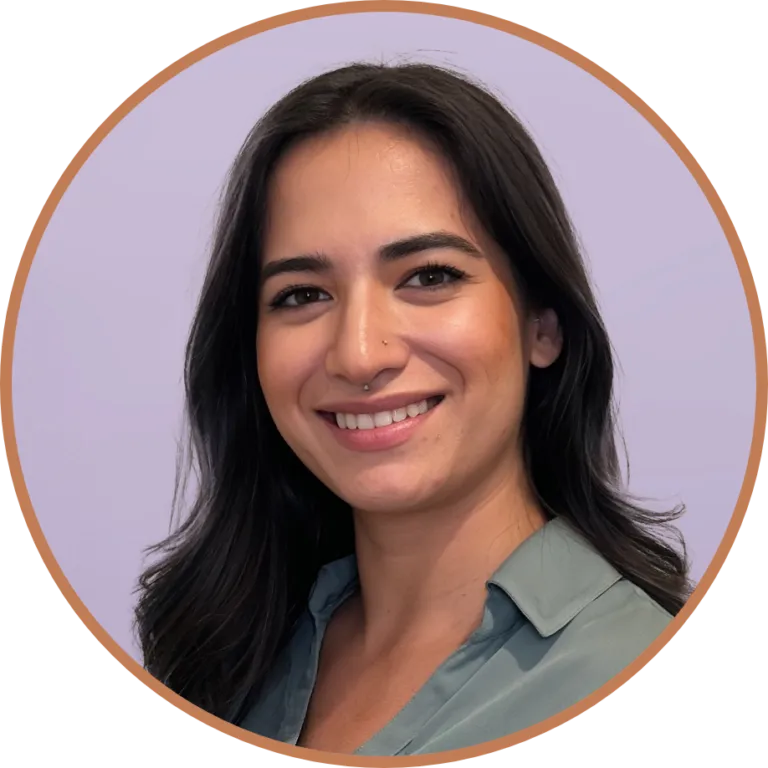
Sasha Antoun holds over six years of experience in the behavioral health treatment landscape. With a comprehensive background spanning various facets of the field, she brings a wealth of expertise to our team, offering a great understanding of every available level of care.
As an internationally certified counselor, Sasha’s professional areas of focus primarily center around admissions work and community outreach. Her passion lies in creating a sense of safety and trust for those in distress.
Medically reviewed by Dr. Kelly Gonderman, Psy.D., Licensed Clinical Psychologist
We Conquer Together
We firmly believe that the internet should be available and accessible to anyone, and are committed to providing a website that is accessible to the widest possible audience, regardless of circumstance and ability.
To fulfill this, we aim to adhere as strictly as possible to the World Wide Web Consortium’s (W3C) Web Content Accessibility Guidelines 2.1 (WCAG 2.1) at the AA level. These guidelines explain how to make web content accessible to people with a wide array of disabilities. Complying with those guidelines helps us ensure that the website is accessible to all people: blind people, people with motor impairments, visual impairment, cognitive disabilities, and more.
This website utilizes various technologies that are meant to make it as accessible as possible at all times. We utilize an accessibility interface that allows persons with specific disabilities to adjust the website’s UI (user interface) and design it to their personal needs.
Additionally, the website utilizes an AI-based application that runs in the background and optimizes its accessibility level constantly. This application remediates the website’s HTML, adapts Its functionality and behavior for screen-readers used by the blind users, and for keyboard functions used by individuals with motor impairments.
If you’ve found a malfunction or have ideas for improvement, we’ll be happy to hear from you. You can reach out to the website’s operators by using the following email
Our website implements the ARIA attributes (Accessible Rich Internet Applications) technique, alongside various different behavioral changes, to ensure blind users visiting with screen-readers are able to read, comprehend, and enjoy the website’s functions. As soon as a user with a screen-reader enters your site, they immediately receive a prompt to enter the Screen-Reader Profile so they can browse and operate your site effectively. Here’s how our website covers some of the most important screen-reader requirements, alongside console screenshots of code examples:
Screen-reader optimization: we run a background process that learns the website’s components from top to bottom, to ensure ongoing compliance even when updating the website. In this process, we provide screen-readers with meaningful data using the ARIA set of attributes. For example, we provide accurate form labels; descriptions for actionable icons (social media icons, search icons, cart icons, etc.); validation guidance for form inputs; element roles such as buttons, menus, modal dialogues (popups), and others. Additionally, the background process scans all the website’s images and provides an accurate and meaningful image-object-recognition-based description as an ALT (alternate text) tag for images that are not described. It will also extract texts that are embedded within the image, using an OCR (optical character recognition) technology. To turn on screen-reader adjustments at any time, users need only to press the Alt+1 keyboard combination. Screen-reader users also get automatic announcements to turn the Screen-reader mode on as soon as they enter the website.
These adjustments are compatible with all popular screen readers, including JAWS and NVDA.
Keyboard navigation optimization: The background process also adjusts the website’s HTML, and adds various behaviors using JavaScript code to make the website operable by the keyboard. This includes the ability to navigate the website using the Tab and Shift+Tab keys, operate dropdowns with the arrow keys, close them with Esc, trigger buttons and links using the Enter key, navigate between radio and checkbox elements using the arrow keys, and fill them in with the Spacebar or Enter key.Additionally, keyboard users will find quick-navigation and content-skip menus, available at any time by clicking Alt+1, or as the first elements of the site while navigating with the keyboard. The background process also handles triggered popups by moving the keyboard focus towards them as soon as they appear, and not allow the focus drift outside it.
Users can also use shortcuts such as “M” (menus), “H” (headings), “F” (forms), “B” (buttons), and “G” (graphics) to jump to specific elements.
We aim to support the widest array of browsers and assistive technologies as possible, so our users can choose the best fitting tools for them, with as few limitations as possible. Therefore, we have worked very hard to be able to support all major systems that comprise over 95% of the user market share including Google Chrome, Mozilla Firefox, Apple Safari, Opera and Microsoft Edge, JAWS and NVDA (screen readers).
Despite our very best efforts to allow anybody to adjust the website to their needs. There may still be pages or sections that are not fully accessible, are in the process of becoming accessible, or are lacking an adequate technological solution to make them accessible. Still, we are continually improving our accessibility, adding, updating and improving its options and features, and developing and adopting new technologies. All this is meant to reach the optimal level of accessibility, following technological advancements. For any assistance, please reach out to