



Key Takeaways

Table of Contents

WCTlogoproper - Mental Health Treatment Orange County | We Conquer Together

Mood Disorders Treatment in Orange County, California

At We Conquer Together, we provide a sanctuary for healing for those navigating the complexities of mood disorders in Orange County, California. Our premier inpatient facility is designed to offer a safe, supportive environment where individuals can step away from the stressors of daily life and focus entirely on their recovery. We understand that mental health conditions affecting mood can be deeply isolating, often disrupting relationships and careers. Our dedicated clinical team is committed to providing compassionate care that addresses the unique needs of every person who walks through our doors.

Our treatment center in Orange County specializes in comprehensive care for those struggling with severe emotional volatility. We offer a robust treatment program that integrates evidence-based medical and therapeutic interventions to foster well-being and stability. By combining medication management with intensive psychotherapy, we help clients stabilize their symptoms and build a foundation for long-term wellness. Whether you are seeking help for yourself or a loved one, We Conquer Together is committed to guiding you toward a more balanced and fulfilling future.

Understanding Mood Disorders

Mood disorders are a category of mental health disorders characterized by significant disturbances in a person’s emotional state. While everyone experiences ups and downs, individuals with these conditions face intense mood swings that are persistent and difficult to control. These shifts can severely impact daily activities, making it hard to function at work, school, or home. Unlike typical emotional reactions to life events, these disorders involve biological and psychological factors that require professional health care intervention.

For many people experiencing Bipolar Disorder I or II, the experience involves periods of extreme sadness or emptiness, known as depressive episodes, or periods of excessive energy and euphoria, known as manic episodes. These fluctuations often distort one’s perception of reality and self-worth. It is important to recognize that these are treatable medical conditions, not character flaws. With the right mental health treatment, individuals can learn emotional regulation and restore their quality of life.

REACH OUT TODAY

Contact our admissions department today and receive a free verification of benefis. Professionals are standing by for you or your loved one and ready to answer any questions you may have. 

Symptoms and Warning Signs of Mood Disorders

The symptoms of mood disorders can vary widely depending on the specific diagnosis, but they often disrupt a person’s ability to cope with routine challenges. During a depressive phase, an individual may experience a profound loss of interest in activities they once enjoyed, along with fatigue and difficulty concentrating. In severe cases, these feelings of hopelessness can lead to suicidal thoughts or self-harm behaviors, necessitating immediate and intensive care.

Conversely, symptoms of mania or hypomania can include racing thoughts, rapid speech, and impulsivity. People in this state may feel invincible, leading to risky behaviors that endanger their financial or physical safety. Recognizing these signs is the first step toward seeking help.

Persistent feelings of sadness, anxiety, or "emptiness"

Feelings of hopelessness or pessimism

Irritability, frustration, or restlessness

Changes in appetite or weight

Sleep disturbances, such as insomnia or oversleeping

Types of Mood Disorders We Treat in Our Orange County Program

There are several distinct types of mood disorders, each presenting its own set of challenges and requiring tailored treatment plans. At our facility, we are equipped to treat the full spectrum of mental health conditions, helping individuals navigate the nuances of their specific diagnosis.

We specialize in treating the following conditions to help clients regain control over their emotions:

  • Bipolar Disorder: A condition marked by extreme shifts in mood, energy, and activity levels.
  • Bipolar I: Defined by manic episodes that last at least seven days or are severe enough to require hospital care, often accompanied by depressive episodes.
  • Bipolar II: A pattern of depressive episodes and hypomanic episodes, but not the full-blown manic episodes synonymous with Bipolar I.
  • Depression: Also known as Major Depressive Disorder, this involves a persistent feeling of sadness and loss of interest.
  • Cyclothymic Disorder: A milder form of bipolar disorder involving many periods of hypomanic symptoms and periods of depressive symptoms lasting for at least two years.
  • Dysthymia: Also called Persistent Depressive Disorder, this is a continuous long-term (chronic) form of depression.
  • Disruptive Mood Dysregulation Disorder: A condition characterized by chronic, severe irritability and frequent temper outbursts in children and adolescents.
  • Substance-Induced Mood Disorder: Depression or mania symptoms that are triggered by the use of alcohol, drugs, or medications.

Therapeutic Approaches We Use To Treat Mood Disorders

Recovery from mood disorders relies heavily on evidence-based therapies that have been rigorously tested and proven effective. Psychotherapy, or talk therapy, is a cornerstone of our approach, providing a safe space for individuals to explore the root causes of their distress. Through consistent engagement with clinicians, clients can begin to challenge negative beliefs and develop new coping strategies. We utilize a variety of modalities to ensure that each client receives the most effective care for their specific situation.

We employ a diverse range of therapeutic interventions to support holistic recovery:

  • Cognitive Behavioral Therapy (CBT): Helps individuals identify and challenge negative thought patterns that contribute to depression and anxiety.
  • Dialectical Behavior Therapy (DBT): Focuses on teaching skills for mindfulness, distress tolerance, and emotional regulation.
  • Trauma Therapy: Essential for addressing underlying trauma that often exacerbates mood instability.
  • Family Therapy: Engages loved ones in the recovery process to improve communication and build a support system.
  • Somatic Therapy: Helps clients connect bodily sensations with emotional experiences to release stored tension.
  • Experiential Therapy: Uses expressive tools and activities to help clients process emotions that are difficult to articulate.
  • Nutrition Counseling: Supports overall physical well-being, recognizing the strong link between diet and mental health.

Advanced Treatments We Use To Treat Mood Disorders

IV Ketamine & Esketamine (Spravato)

IV ketamine and esketamine treatments can help individuals with severe or treatment-resistant mood disorders by rapidly reducing symptoms of depression and improving emotional regulation. Learn more about how this therapy works in our blog.

Visit our Blog on How We Advise Treating Mood Disorders with Ketamine treatments in Orange County

Stellate Ganglion Block (SGB) Injections

The SGB injection targets a bundle of nerves in the neck that control the body’s stress response. It is used to help calm an overactive nervous system often associated with trauma, anxiety, and certain mood disorders.

This therapy uses therapeutic sound frequencies and gentle vibrations to promote relaxation and nervous system regulation. It can help reduce anxiety, improve mood stability, and support emotional healing during treatment.

Visit the official Heal site for more information on their Multi-Sensory Stimulation Therapy (MSST) device.


How We Address
Co-Occurring Conditions

It is common for mood disorders to exist alongside other challenges, such as anxiety treatment needs or substance dependency. When a person struggles with both mental illness and addiction, it is known as a dual diagnosis. Our facility is equipped to treat these co-occurring conditions simultaneously, ensuring that one issue does not undermine the recovery of the other.

Untreated anxiety can exacerbate anxiety disorders or depression, leading to a cycle of instability. Similarly, substance abuse is often a misguided attempt to self-medicate racing thoughts or emotional pain. By addressing the whole person—including their physical, emotional, and chemical health—we promote true behavioral health and sustainable recovery.

Woman getting mood disorders treatment in orange county.
young man having counseling with mental health pro 2026 01 07 02 28 29 utc Large - Mental Health Treatment Orange County | We Conquer Together

Levels of Care We Offer in California

Residential / Inpatient

While We Conquer Together specializes in residential care, we understand that recovery is a journey that continues long after discharge. The level of care a person needs may change over time. For those stepping down from residential treatment, or for those who need support but not 24-hour supervision, other options such as a Partial Hospitalization Program (PHP) or an Intensive Outpatient Program (IOP) can be vital steps.

After Care Planning & Post Treatment Support

We work closely with our clients to create detailed aftercare plans. This often involves referrals to trusted providers for outpatient treatment or community support groups. These continued services ensure that clients maintain their progress and continue to practice their coping skills in the real world. Our goal is to empower every individual with the tools they need to manage their condition independently.

Get Started with We Conquer Together in Southern California

Living with a mood disorder can feel like an endless battle, but you do not have to fight it alone. We Conquer Together provides the evidence-based treatments and compassionate support necessary to regain control of your life. Our luxury facility in Orange County is a place where you can find safety, understanding, and the individualized treatment required for lasting change.

If you or a loved one is struggling with the highs and lows of a mood disorder, we invite you to take the first step toward healing. Contact us today to verify your insurance or learn more about our admissions process. Let our team help you navigate your treatment options and guide you toward a future defined by stability and hope.

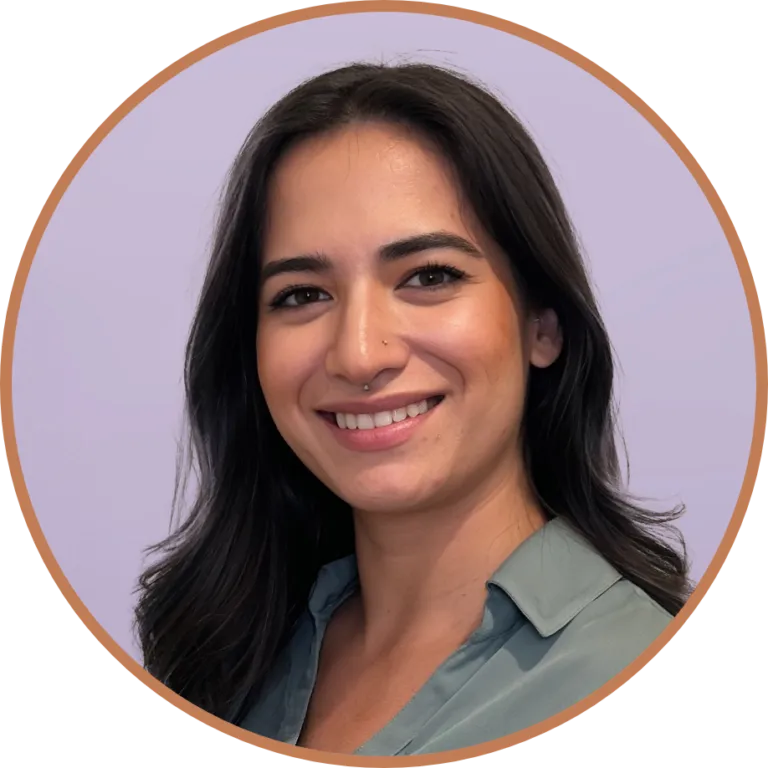
Dr. Kelly Gonderman is a Licensed Clinical Psychologist with extensive experience in clinical practice, supervision, and program administration. She earned her Doctorate in Clinical Psychology from Biola University’s Rosemead School of Psychology and has developed broad clinical expertise in the treatment of mood and anxiety disorders, trauma, eating disorders, co-occurring substance use, and personality-related concerns.

As Clinical Director at We Conquer Together, Dr. Gonderman specializes in fostering supportive and structured therapeutic environments where clients can heal, build resilience, and develop lasting skills for long-term well-being.