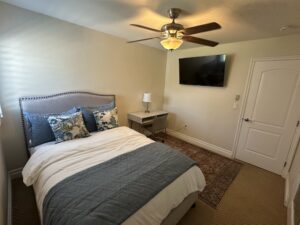



Welcome to We Conquer Together, a purpose-built treatment center located in beautiful Orange County, California. We provide compassionate mental health treatment for those navigating the weight of complex trauma. Finding comfort after experiencing deep hurt can feel overwhelming, but our inpatient facility offers a safe space to begin your trauma recovery. Whether you are seeking care for yourself or looking for supportive treatment options for a loved one, our support team is here to guide you gently toward a more peaceful tomorrow.
We deeply believe that everyone deserves the opportunity to build a life that feels stable, with a sense of freedom, and no longer dominated by the effects of past trauma. Our organization offers structured in-person programs and coordinates closely with trusted outpatient providers to ensure you receive trauma-informed care tailored entirely to your specific needs. By addressing the whole person rather than just the symptoms, we help individuals in our care strengthen their emotional regulation and build healthier coping patterns to move towards a greater sense of well-being.
Before exploring the pathways to healing, it is helpful to first understand what this condition truly entails. Post-Traumatic Stress Disorder (PTSD) often develops after a person survives a single traumatic event, such as a car accident or natural disasters. However, Complex PTSD, or C-PTSD, typically arises from prolonged exposure to painful situations where the person felt they could not escape. These traumatic experiences often include ongoing childhood trauma, enduring domestic violence, or suffering through continuous emotional abuse over a long period.
Living with this mental health condition deeply impacts how a person experiences themselves, their relationships, and the world around them. In many cases, the effects extend beyond difficult memories though they are often part of the process. Individuals navigating complex trauma struggle with a negatively impacted sense of safety in their own bodies or in their ability to trust others. Recognizing these deeper impacts can help individuals seek more appropriate, trauma-informed support and move toward healing with a greater sense of understanding and compassion for themselves.
The physical and emotional weight of C-PTSD can profoundly impact a person’s overall quality of life. When faced with reminders of the past, the body often reacts as if it is in immediate danger, creating reactions that feel very uncomfortable and entirely real. These symptoms go far beyond passing worries and can make participating in daily activities feel incredibly exhausting for the individual.
Recognizing the signs of distress is an act of profound self-care. Some of the most common PTSD symptoms include:

Get started today
Getting help can feel hard, but you’re not alone. Our team can check your insurance for free, and many plans cover all treatment costs.
The human mind is beautifully complex, and it is very common for multiple mental health disorders to overlap and influence one another. Often, individuals navigating unhealed trauma may turn to outside sources for comfort, which can unfortunately lead to substance use disorders or substance abuse as a way to self-medicate their pain. It is also quite common to see overlapping challenges like eating disorders emerge as individuals search for a sense of control amidst their internal chaos.
Finding comprehensive behavioral health support that addresses all of these interconnected feelings simultaneously is absolutely vital for true peace. A thoughtful evaluation by a compassionate professional ensures that your treatment plan addresses the complete picture. This holistic approach paves the way for lasting healing rather than just temporarily masking the emotional pain.

Discovering an effective PTSD treatment brings hope to those feeling lost in their worries. Through a structured care plan, individuals can learn to safely manage their responses and slowly step back into the world. Supportive psychotherapy is a cornerstone of this process, providing a safe space to practice new coping strategies without ever feeling rushed or pressured.
A comprehensive approach often utilizes several evidence-based therapies to foster lasting comfort and resilience. These modalities include:
Alongside individual counseling sessions, a comprehensive healing journey often incorporates additional support structures to surround the individual with care. Group therapy provides a sense of shared understanding, validation, and connection alongside peers who truly understand the journey. Finding community is a beautiful way to break the deep isolation that trauma so often creates.
Furthermore, thoughtful medication management can be a helpful tool particularly when symptoms of anxiety, depression, hypervigilance, sleep disturbance, or nightmares interfere with daily functioning. Providers may recommend options to gently reduce the frequency of symptoms or physical reactions, making the deeper clinical work much more approachable. In addition to therapy, many individuals benefit from nervous system regulation tools such as grounding exercises, mindfulness practices, movement, sensory-based coping strategies, structured routines, and supportive relationships that help the body and mind feel more regulated and connected over time.Every individual’s path is uniquely tailored to their specific comfort level, ensuring they always feel completely supported.
Taking the first step toward stepping back into the world requires immense bravery, but you absolutely do not have to walk this path alone. At We Conquer Together, our purpose-built inpatient facility provides the highest quality care to help you softly find your footing. Nestled away in Southern California, we offer a peaceful, structured environment where you can safely step away from your daily stressors, whether you are coming from Irvine, Newport Beach, or beyond.
We believe that meaningful change and healing is possible even after long periods of pain, instability, or trauma. As you progress through your healing journey, our understanding support team will help you transition smoothly into supportive programs either in our area or closer to home to ensure you have continuous clinical care to carry you through your integration back into daily life with routines and responsibilities.. If you are ready to find lasting peace, please reach out to our admissions department today to explore how our mental health programs can support your beautiful tomorrow.
Standard PTSD often stems from a single traumatic event, while C-PTSD usually results from prolonged, repeated trauma over months or years. This ongoing exposure deeply affects a person’s sense of self and their ability to trust others. Both conditions respond to compassionate, structured care.
Yes, grounding techniques and mindfulness practices are wonderful tools for managing flashbacks. These strategies help anchor your mind in the present moment, reminding your body that you are currently safe. Your provider will help you practice these skills until they feel natural.
Absolutely. It is never too late to begin healing from the pains of the past. Our compassionate providers are highly experienced in helping adults safely unpack and process early childhood experiences at a comfortable pace.
Medication is not always required, but it can be a very helpful tool for some individuals. It can gently soothe an overactive nervous system, making it easier to engage fully in psychotherapy. This is always a collaborative decision between you and your provider.
Group sessions provide a beautifully safe space to connect with others who share similar experiences. This shared understanding helps break the feelings of isolation and shame that often accompany trauma. It fosters a deep sense of community and mutual encouragement on the path to healing.
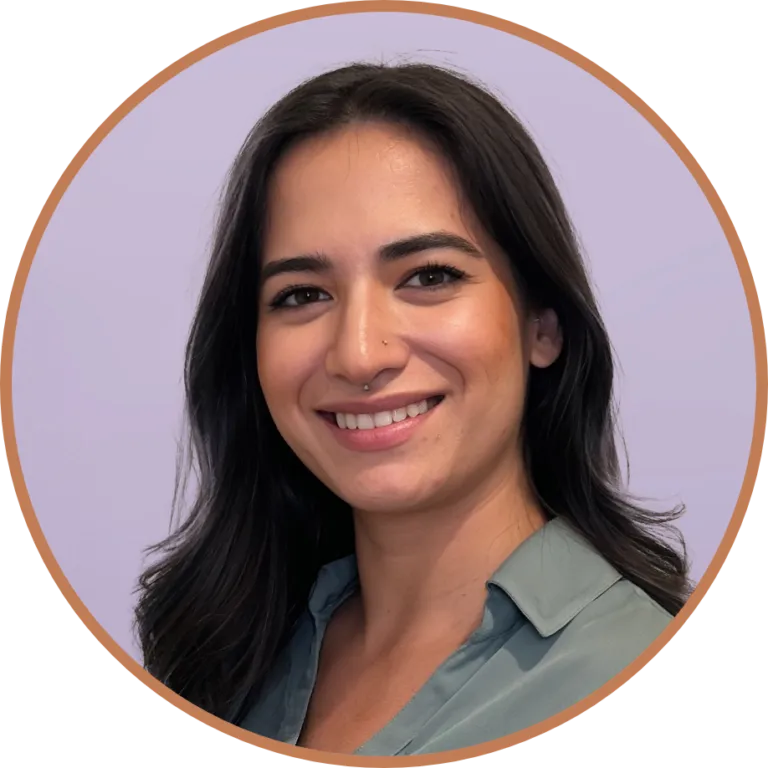
Sasha Antoun holds over six years of experience in the behavioral health treatment landscape. With a comprehensive background spanning various facets of the field, she brings a wealth of expertise to our team, offering a great understanding of every available level of care.
As an internationally certified counselor, Sasha’s professional areas of focus primarily center around admissions work and community outreach. Her passion lies in creating a sense of safety and trust for those in distress.
Medically reviewed by Dr. Kelly Gonderman, Psy.D., Licensed Clinical Psychologist
We Conquer Together
We firmly believe that the internet should be available and accessible to anyone, and are committed to providing a website that is accessible to the widest possible audience, regardless of circumstance and ability.
To fulfill this, we aim to adhere as strictly as possible to the World Wide Web Consortium’s (W3C) Web Content Accessibility Guidelines 2.1 (WCAG 2.1) at the AA level. These guidelines explain how to make web content accessible to people with a wide array of disabilities. Complying with those guidelines helps us ensure that the website is accessible to all people: blind people, people with motor impairments, visual impairment, cognitive disabilities, and more.
This website utilizes various technologies that are meant to make it as accessible as possible at all times. We utilize an accessibility interface that allows persons with specific disabilities to adjust the website’s UI (user interface) and design it to their personal needs.
Additionally, the website utilizes an AI-based application that runs in the background and optimizes its accessibility level constantly. This application remediates the website’s HTML, adapts Its functionality and behavior for screen-readers used by the blind users, and for keyboard functions used by individuals with motor impairments.
If you’ve found a malfunction or have ideas for improvement, we’ll be happy to hear from you. You can reach out to the website’s operators by using the following email
Our website implements the ARIA attributes (Accessible Rich Internet Applications) technique, alongside various different behavioral changes, to ensure blind users visiting with screen-readers are able to read, comprehend, and enjoy the website’s functions. As soon as a user with a screen-reader enters your site, they immediately receive a prompt to enter the Screen-Reader Profile so they can browse and operate your site effectively. Here’s how our website covers some of the most important screen-reader requirements, alongside console screenshots of code examples:
Screen-reader optimization: we run a background process that learns the website’s components from top to bottom, to ensure ongoing compliance even when updating the website. In this process, we provide screen-readers with meaningful data using the ARIA set of attributes. For example, we provide accurate form labels; descriptions for actionable icons (social media icons, search icons, cart icons, etc.); validation guidance for form inputs; element roles such as buttons, menus, modal dialogues (popups), and others. Additionally, the background process scans all the website’s images and provides an accurate and meaningful image-object-recognition-based description as an ALT (alternate text) tag for images that are not described. It will also extract texts that are embedded within the image, using an OCR (optical character recognition) technology. To turn on screen-reader adjustments at any time, users need only to press the Alt+1 keyboard combination. Screen-reader users also get automatic announcements to turn the Screen-reader mode on as soon as they enter the website.
These adjustments are compatible with all popular screen readers, including JAWS and NVDA.
Keyboard navigation optimization: The background process also adjusts the website’s HTML, and adds various behaviors using JavaScript code to make the website operable by the keyboard. This includes the ability to navigate the website using the Tab and Shift+Tab keys, operate dropdowns with the arrow keys, close them with Esc, trigger buttons and links using the Enter key, navigate between radio and checkbox elements using the arrow keys, and fill them in with the Spacebar or Enter key.Additionally, keyboard users will find quick-navigation and content-skip menus, available at any time by clicking Alt+1, or as the first elements of the site while navigating with the keyboard. The background process also handles triggered popups by moving the keyboard focus towards them as soon as they appear, and not allow the focus drift outside it.
Users can also use shortcuts such as “M” (menus), “H” (headings), “F” (forms), “B” (buttons), and “G” (graphics) to jump to specific elements.
We aim to support the widest array of browsers and assistive technologies as possible, so our users can choose the best fitting tools for them, with as few limitations as possible. Therefore, we have worked very hard to be able to support all major systems that comprise over 95% of the user market share including Google Chrome, Mozilla Firefox, Apple Safari, Opera and Microsoft Edge, JAWS and NVDA (screen readers).
Despite our very best efforts to allow anybody to adjust the website to their needs. There may still be pages or sections that are not fully accessible, are in the process of becoming accessible, or are lacking an adequate technological solution to make them accessible. Still, we are continually improving our accessibility, adding, updating and improving its options and features, and developing and adopting new technologies. All this is meant to reach the optimal level of accessibility, following technological advancements. For any assistance, please reach out to