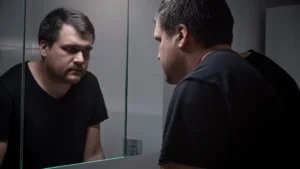







Men may enter treatment with experiences that influence how they cope with emotions, relate to others, view their bodies, and ask for help. Effective treatment considers these experiences rather than assuming that the same concerns present in the same way for everyone. For men, this may include addressing emotional expression, relationships and identity, trauma, body image and eating behaviors, and the ways substance use can affect nutrition and overall health.
Nutrition issues in men frequently go unrecognized because standard healthcare appointments rarely evaluate eating behaviors in adult males unless symptoms fit female-centric models. When a man skips meals, restricts food groups, or experiences a disruption in his eating habits, these signs are often incorrectly attributed to athletic training, workplace discipline, or personal fitness choices. This misattribution leaves nutritional deficits and underlying distress unaddressed for long periods.
Because society rarely frames male eating patterns in terms of emotional health, men themselves may not recognize that their relationship with food has become harmful. Restrictive behaviors or sudden appetite changes can quietly erode physical energy, disrupt sleep patterns, and worsen mood stability. Bringing these hidden challenges into clinical view allows our support team to address the physical and emotional aspects of nourishment together.
When an adult male experiences psychological distress, the versions that show up are usually the ones a routine healthcare visit does not ask about, making early recognition of eating disorders in men challenging for individuals and families. Our support team evaluates these common symptoms and presentations in men that often go overlooked:
If things feel unsafe right now or if you are experiencing thoughts of self-harm, please call or text the 988 Lifeline at 988 for free, confidential support. Knowing that someone died by suicide highlights why immediate clinical help is vital during moments of acute crisis.
Nutrition plays an essential role in stabilizing brain chemistry and supporting emotional health. At We Conquer Together, our registered dietitian works with every person in our house, not only those admitted with a primary eating disorder diagnosis. When an individual experiences depression or anxiety, basic self-care tasks like grocery shopping, meal preparation, and maintaining regular nourishment often break down completely.
When regular meals stop, the resulting physical depletion deepens feelings of fatigue, emotional flatness, and sleep disturbances. Our dietitian-led programming addresses this cycle directly through a compassionate, non-judgmental approach. We emphasize practical skills and meals that are simple to replicate at home, ensuring that individuals develop sustainable food habits they can maintain in their own kitchens long after leaving residential care. According to guidance from the Substance Abuse and Mental Health Services Administration (SAMHSA), integrating physical wellness and nutrition into psychiatric care fosters a stronger foundation for emotional regulation.
Addressing body image distress in men requires examining how a preoccupation with physical build and muscularity functions as a clinical mechanism. This pattern has a formal diagnosis known as muscle dysmorphia, which is recognized clinically as a presentation of body dysmorphic disorder. Rather than viewing this preoccupation as a matter of fitness, our clinicians treat it as an obsessive-compulsive trait requiring specialized care.
In our program, clinicians provide evidence-based muscle dysmorphia treatment using Exposure and Response Prevention, known as ERP, which serves as the standard of care for body dysmorphic traits in men and obsessive-compulsive patterns. Physical movement and potential patterns of compulsive exercise are evaluated clinically alongside our psychiatric providers and dietitian, ensuring an individualized approach rather than applying blanket restrictions.
Our admissions team at We Conquer Together is standing by to answer your questions and support you or your loved one. Contact us today to receive a free, no-obligation verification of your benefits.
Because men are often identified much later in the progression of an illness, their symptoms and coping mechanisms have usually become deeply ingrained. By the time an adult male reaches professional care, disordered eating patterns and mental health challenges have often reinforced one another for years. This prolonged duration means that treating symptoms in isolation is rarely effective for lasting healing.
Being identified later requires integrated men’s residential mental health treatment where psychiatric care, therapy, and nutrition guidance are delivered simultaneously. At our residential facility, we address how long-standing mental health struggles interact with daily habits under one coordinated plan. Receiving residential treatment in Orange County provides the structured environment necessary to dismantle entrenched patterns and build sustainable habits for daily life.
Taking the step to seek professional help can feel daunting, but you will not have to argue that what you are experiencing is real. Our admissions support team has deep experience with these presentations and understands how complex mental health and nutrition challenges interact. Choosing residential mental health treatment for men provides structured care in a home-like house where individuals receive detailed support alongside peers facing similar struggles.
Our facility offers detailed mental health and eating disorder treatment for men, supporting healing in a safe and private setting. During your initial assessment conversation, our support team discusses your history, sleep patterns, mood shifts, eating habits, obsessive thoughts, and any co-occurring alcohol or cannabis use. This call serves as a gateway to a formal clinical evaluation and helps establish whether our residential setting is the right fit. For family members helping a loved one navigate this process and who want to learn more about what residential treatment involves here, reach out to our treatment center in Yorba Linda today and your benefits verified by admissions.
Yes, men experience eating disorders across all body shapes and backgrounds. These conditions are frequently identified later and treated less often in this category because standard medical screening tools were historically developed around female presentations. A thorough clinical assessment helps bring these unrecognized patterns into clear view so an individual can receive structured care.
Muscle dysmorphia is clinically classified as a presentation of body dysmorphic disorder rather than an eating disorder. Although it frequently occurs alongside disordered eating patterns, clinical care focuses on the underlying obsessive-compulsive traits driving the preoccupation. Treatment incorporates Exposure and Response Prevention (ERP), Cognitive Behavioral Therapy (CBT), and Acceptance and Commitment Therapy (ACT) under one coordinated care plan.
Depression frequently causes basic daily tasks like grocery shopping and meal preparation to break down, resulting in physical depletion that further worsens low mood and sleep. Every person in our house participates in weekly individual sessions with a registered dietitian and shares family-style meals to rebuild a regular eating rhythm. The primary goal is developing practical food skills that an individual can easily replicate at home in their own kitchen.
A long-standing pattern shapes how your personalized care plan is structured rather than disqualifying anyone from receiving support. Healing is not linear, and having lived with these challenges for a long time simply means our clinicians begin by looking at how your routine currently functions. Our support team works with you to carefully dismantle entrenched habits and establish sustainable daily balance.
Our house is a small mixed-gender residential facility where men receive care alongside peers facing similar mental health and nutrition struggles. Our support team has treated these specific presentations before and understands how complex emotional and physical symptoms interact. Group sessions and daily routines are tailored dynamically around the individuals currently living in the house.
Substance use in our house is addressed strictly as a co-occurring presentation alongside a primary mental health condition. This facility does not operate as a standalone substance use or detox program, and any medical stabilization needs are evaluated prior to admission. Discussing your alcohol or cannabis use during your admissions conversation helps our support team determine whether our residential setting is the correct fit.
Sasha Antoun holds over six years of experience in the behavioral health treatment landscape. With a comprehensive background spanning various facets of the field, she brings a wealth of expertise to our team, offering a great understanding of every available level of care.
As an internationally certified counselor, Sasha’s professional areas of focus primarily center around admissions work and community outreach. Her passion lies in creating a sense of safety and trust for those in distress.
Clinically reviewed by Dr. Kelly Gonderman, Psy.D., Licensed Clinical Psychologist
We Conquer Together
We firmly believe that the internet should be available and accessible to anyone, and are committed to providing a website that is accessible to the widest possible audience, regardless of circumstance and ability.
To fulfill this, we aim to adhere as strictly as possible to the World Wide Web Consortium’s (W3C) Web Content Accessibility Guidelines 2.1 (WCAG 2.1) at the AA level. These guidelines explain how to make web content accessible to people with a wide array of disabilities. Complying with those guidelines helps us ensure that the website is accessible to all people: blind people, people with motor impairments, visual impairment, cognitive disabilities, and more.
This website utilizes various technologies that are meant to make it as accessible as possible at all times. We utilize an accessibility interface that allows persons with specific disabilities to adjust the website’s UI (user interface) and design it to their personal needs.
Additionally, the website utilizes an AI-based application that runs in the background and optimizes its accessibility level constantly. This application remediates the website’s HTML, adapts Its functionality and behavior for screen-readers used by the blind users, and for keyboard functions used by individuals with motor impairments.
If you’ve found a malfunction or have ideas for improvement, we’ll be happy to hear from you. You can reach out to the website’s operators by using the following email
Our website implements the ARIA attributes (Accessible Rich Internet Applications) technique, alongside various different behavioral changes, to ensure blind users visiting with screen-readers are able to read, comprehend, and enjoy the website’s functions. As soon as a user with a screen-reader enters your site, they immediately receive a prompt to enter the Screen-Reader Profile so they can browse and operate your site effectively. Here’s how our website covers some of the most important screen-reader requirements, alongside console screenshots of code examples:
Screen-reader optimization: we run a background process that learns the website’s components from top to bottom, to ensure ongoing compliance even when updating the website. In this process, we provide screen-readers with meaningful data using the ARIA set of attributes. For example, we provide accurate form labels; descriptions for actionable icons (social media icons, search icons, cart icons, etc.); validation guidance for form inputs; element roles such as buttons, menus, modal dialogues (popups), and others. Additionally, the background process scans all the website’s images and provides an accurate and meaningful image-object-recognition-based description as an ALT (alternate text) tag for images that are not described. It will also extract texts that are embedded within the image, using an OCR (optical character recognition) technology. To turn on screen-reader adjustments at any time, users need only to press the Alt+1 keyboard combination. Screen-reader users also get automatic announcements to turn the Screen-reader mode on as soon as they enter the website.
These adjustments are compatible with all popular screen readers, including JAWS and NVDA.
Keyboard navigation optimization: The background process also adjusts the website’s HTML, and adds various behaviors using JavaScript code to make the website operable by the keyboard. This includes the ability to navigate the website using the Tab and Shift+Tab keys, operate dropdowns with the arrow keys, close them with Esc, trigger buttons and links using the Enter key, navigate between radio and checkbox elements using the arrow keys, and fill them in with the Spacebar or Enter key.Additionally, keyboard users will find quick-navigation and content-skip menus, available at any time by clicking Alt+1, or as the first elements of the site while navigating with the keyboard. The background process also handles triggered popups by moving the keyboard focus towards them as soon as they appear, and not allow the focus drift outside it.
Users can also use shortcuts such as “M” (menus), “H” (headings), “F” (forms), “B” (buttons), and “G” (graphics) to jump to specific elements.
We aim to support the widest array of browsers and assistive technologies as possible, so our users can choose the best fitting tools for them, with as few limitations as possible. Therefore, we have worked very hard to be able to support all major systems that comprise over 95% of the user market share including Google Chrome, Mozilla Firefox, Apple Safari, Opera and Microsoft Edge, JAWS and NVDA (screen readers).
Despite our very best efforts to allow anybody to adjust the website to their needs. There may still be pages or sections that are not fully accessible, are in the process of becoming accessible, or are lacking an adequate technological solution to make them accessible. Still, we are continually improving our accessibility, adding, updating and improving its options and features, and developing and adopting new technologies. All this is meant to reach the optimal level of accessibility, following technological advancements. For any assistance, please reach out to